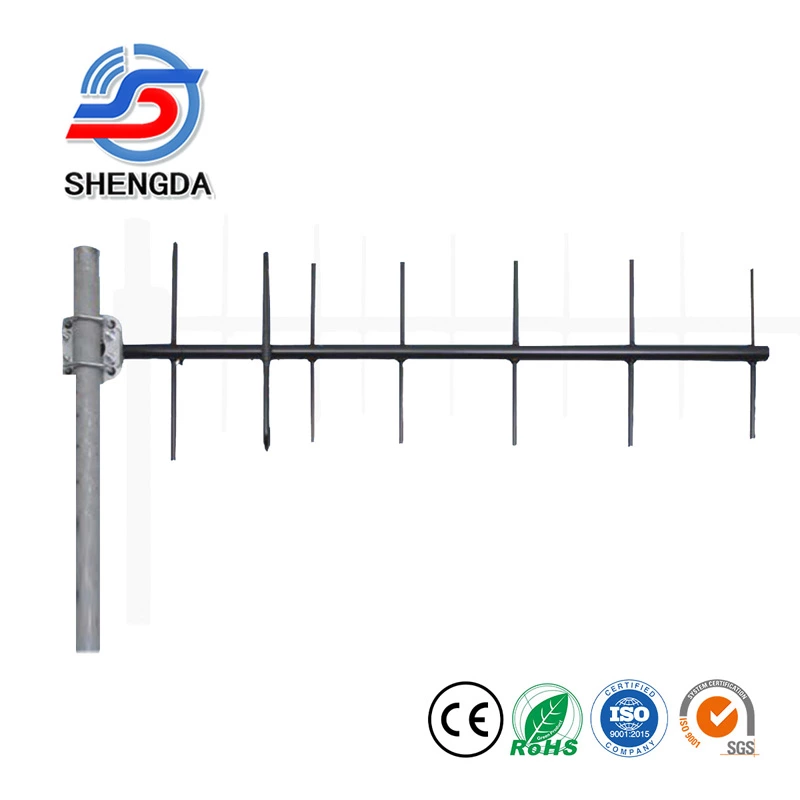
Understanding Yagi Antennas: High-Gain Solutions for Long-Range Communication
Understanding Yagi Antennas: High-Gain Solutions for Long-Range Communication
In wireless communication, overcoming distance and interference is a constant challenge. When standard omnidirectional antennas fall short, engineers and RF professionals turn to directional solutions. Among these, the Yagi-Uda antenna—commonly known simply as the Yagi antenna—remains one of the most reliable and highest-gain options available today.
But how does a Yagi antenna achieve such impressive long-range performance, and what factors should you consider when deploying one? Let’s break down the technical design and real-world applications of this classic RF powerhouse.
The Anatomy of a Yagi Antenna: How It Works
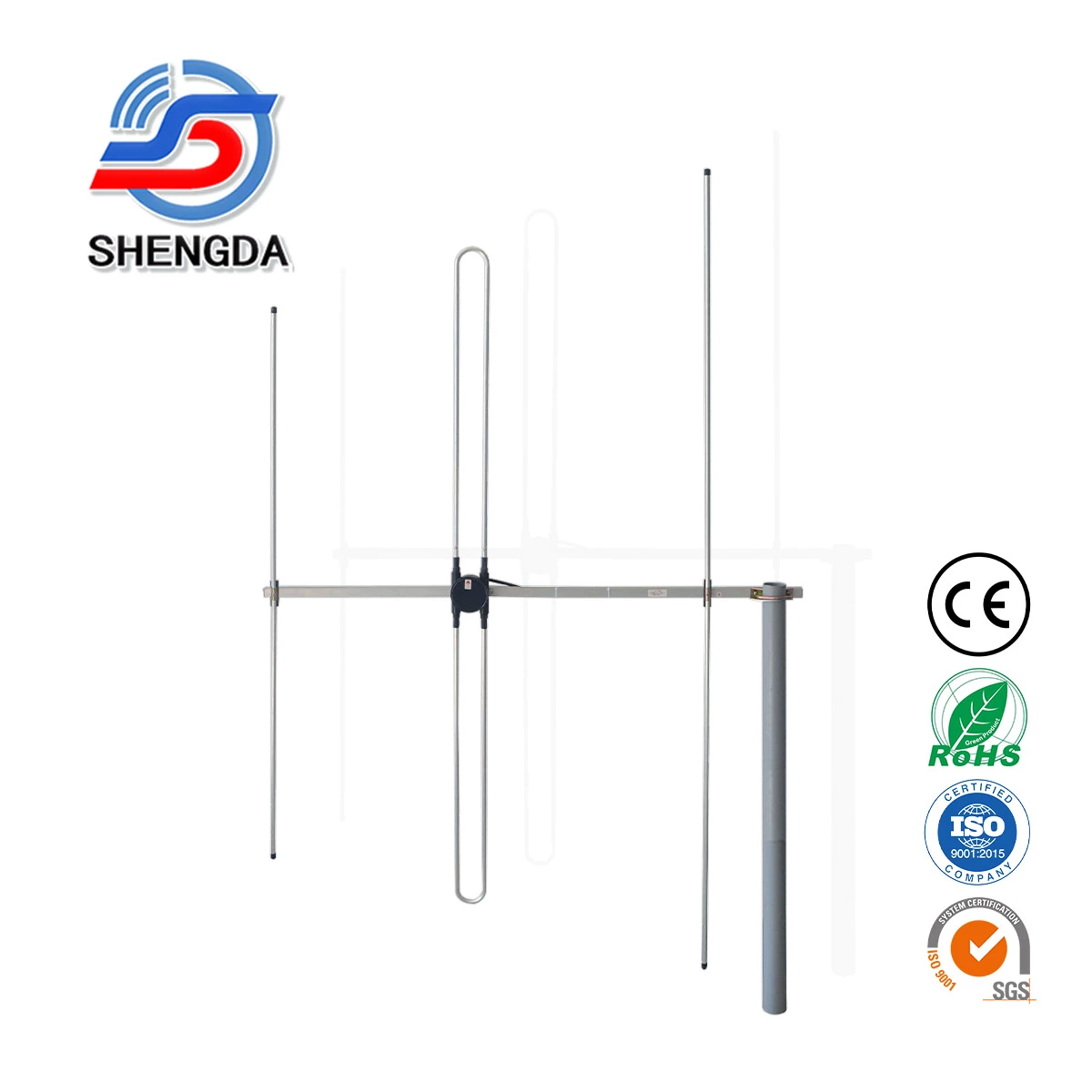
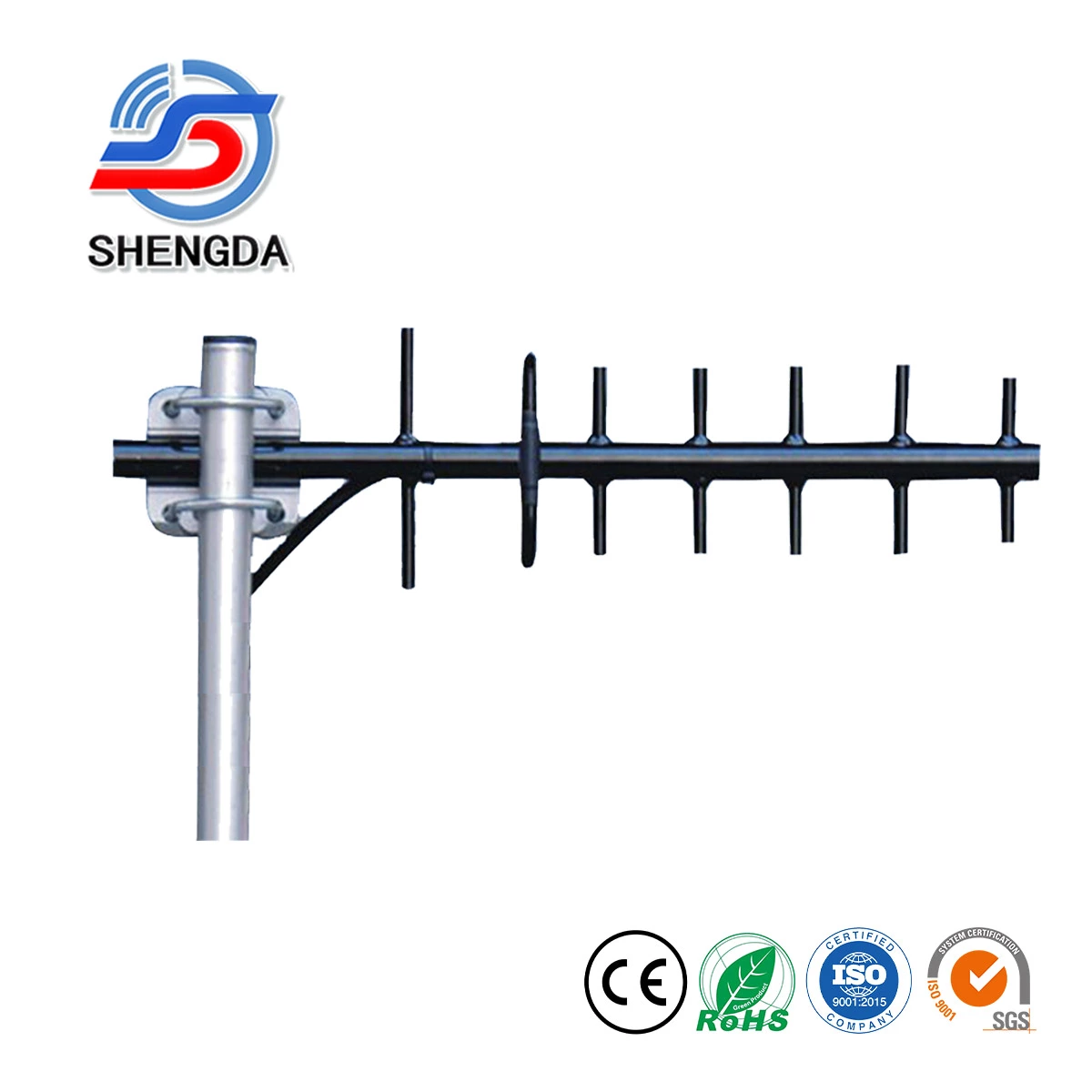
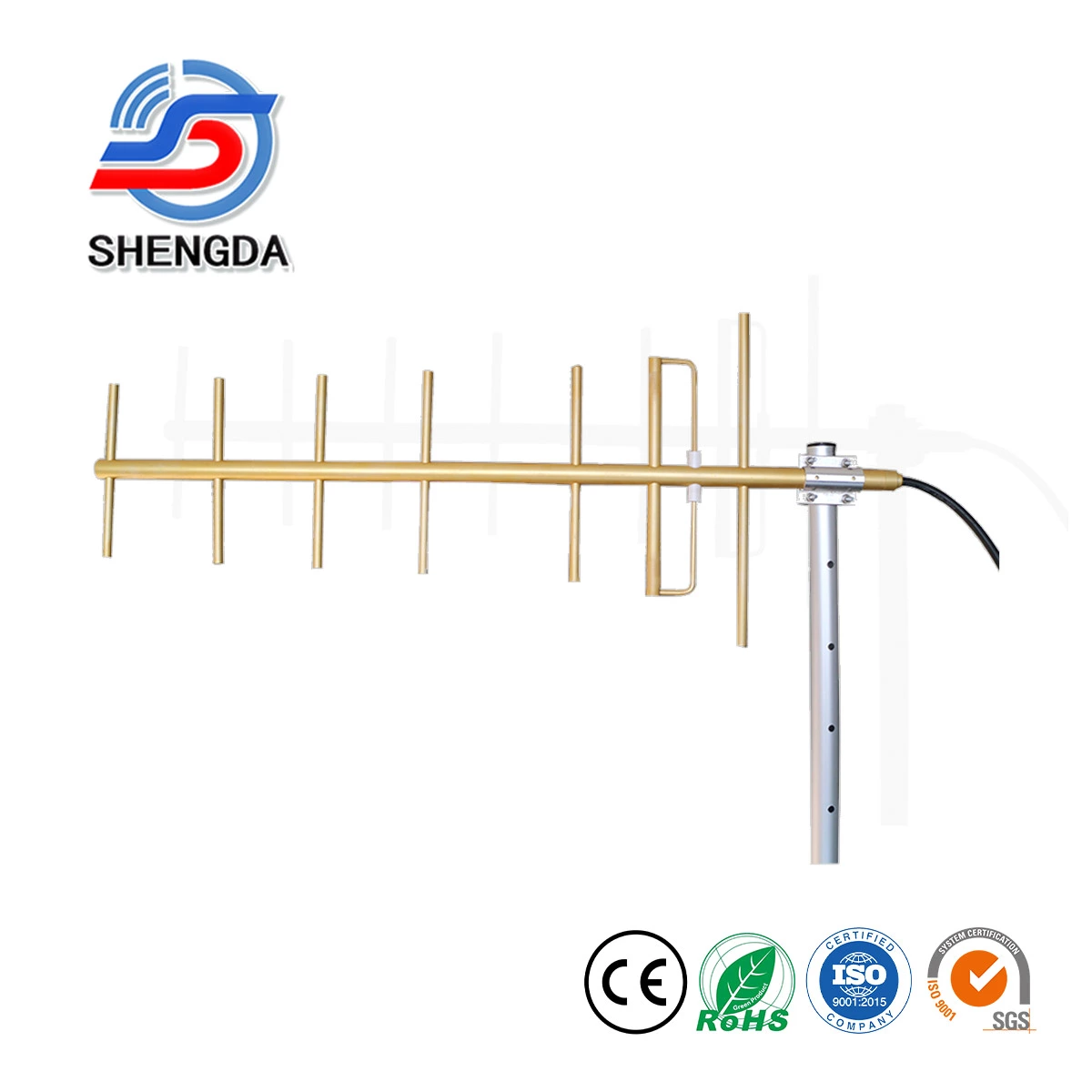
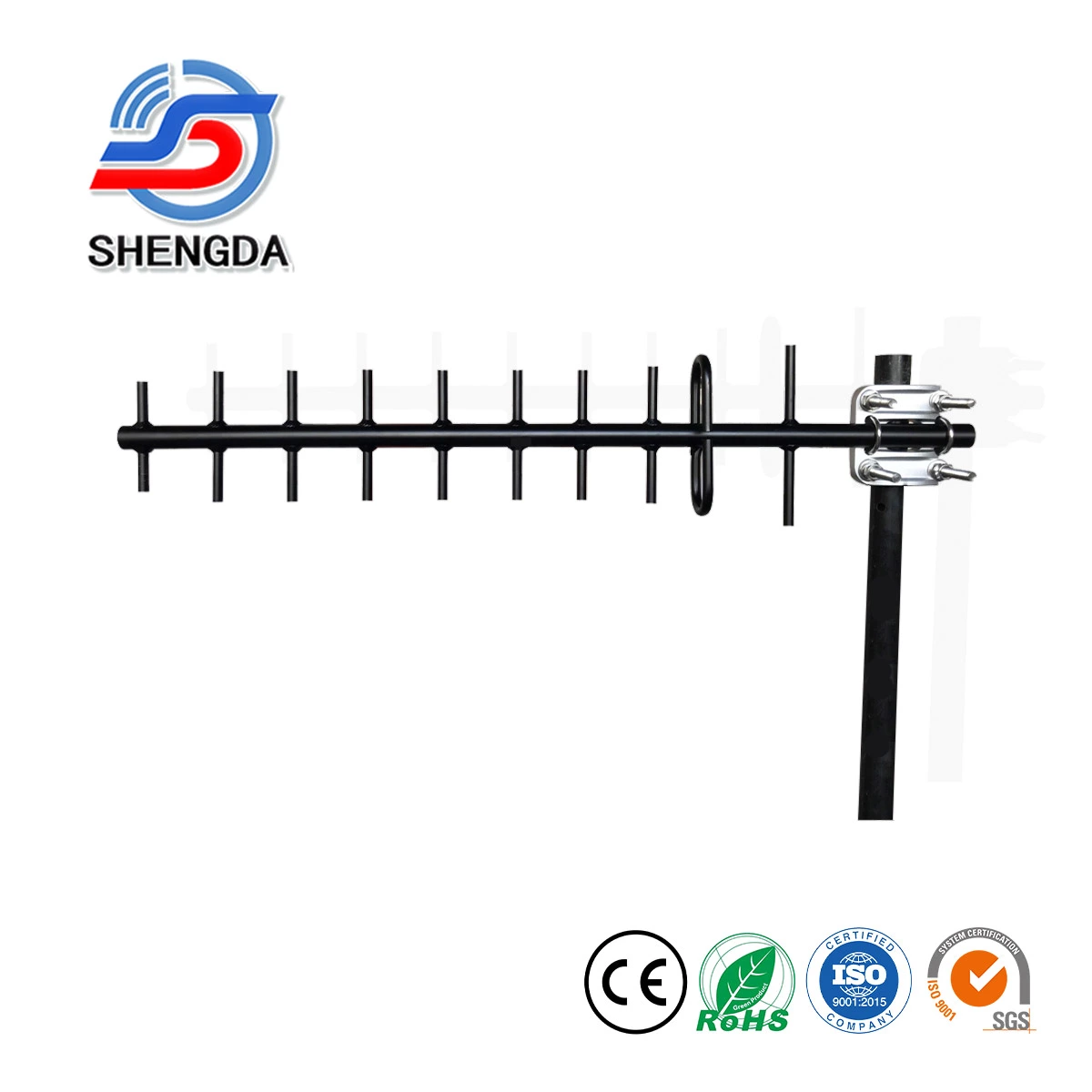
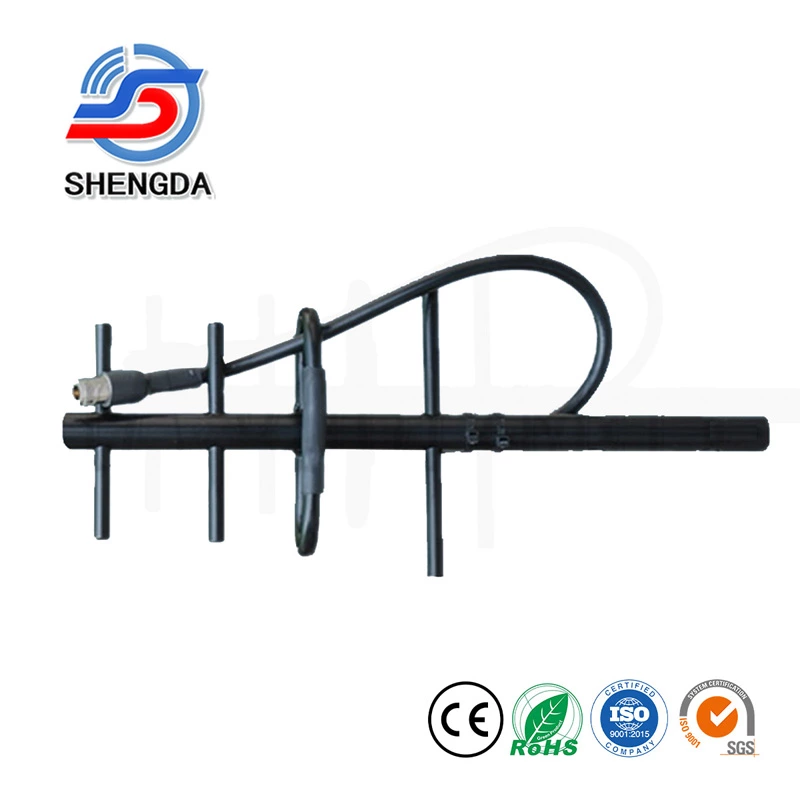
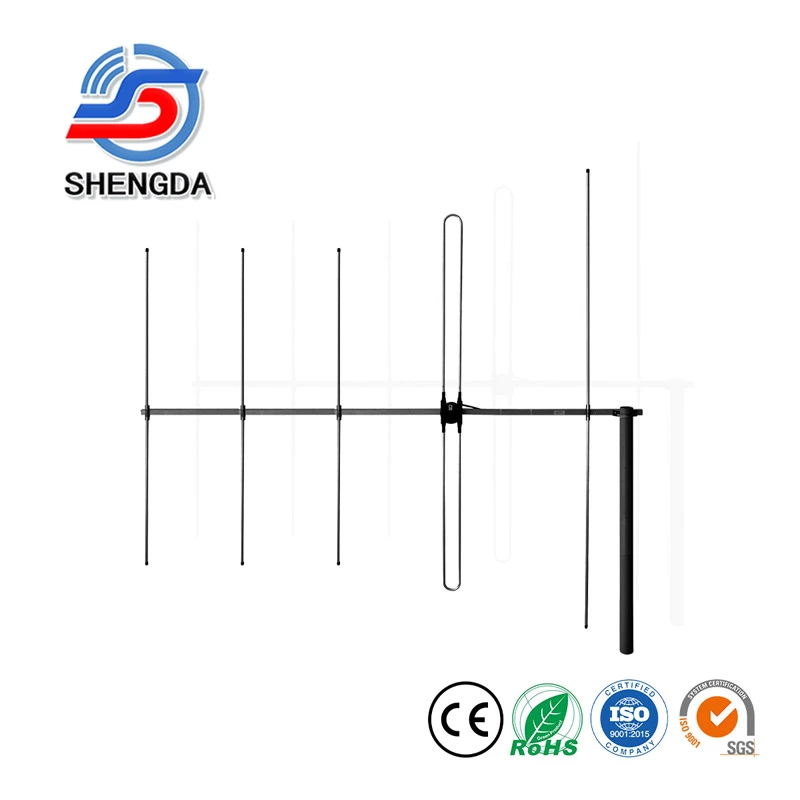
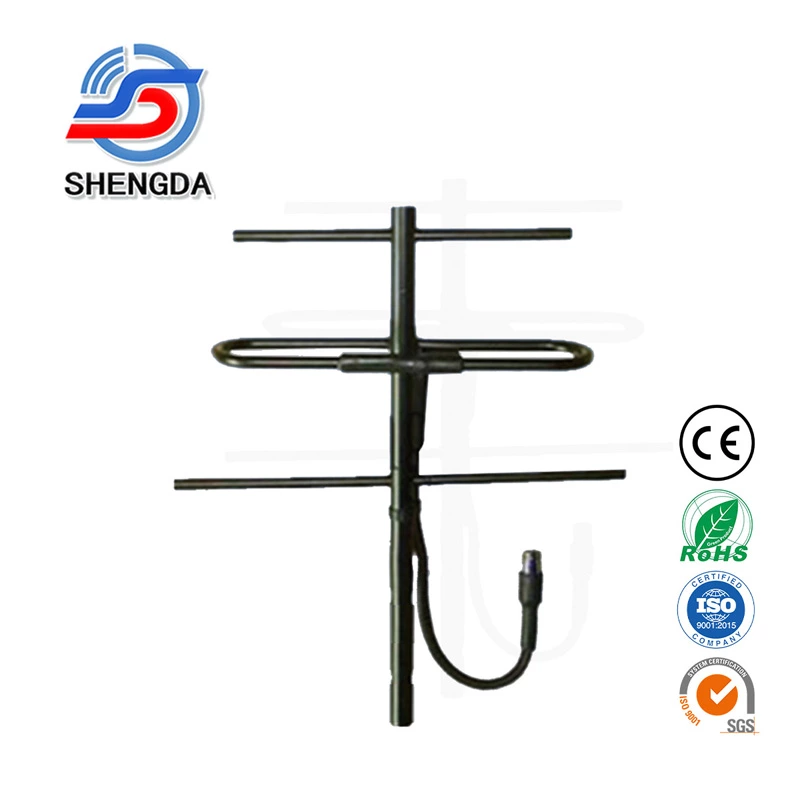
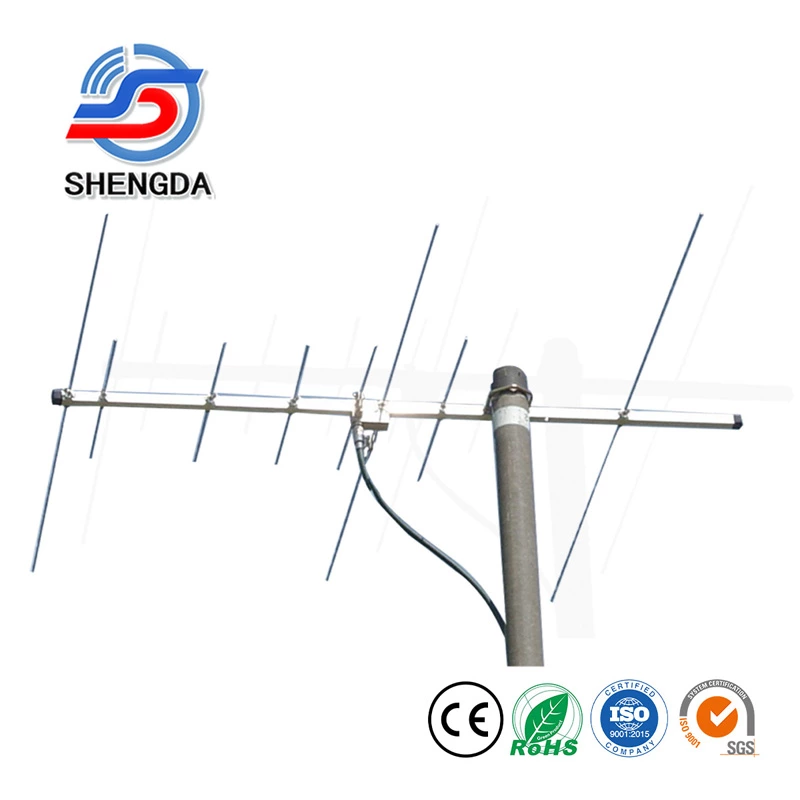
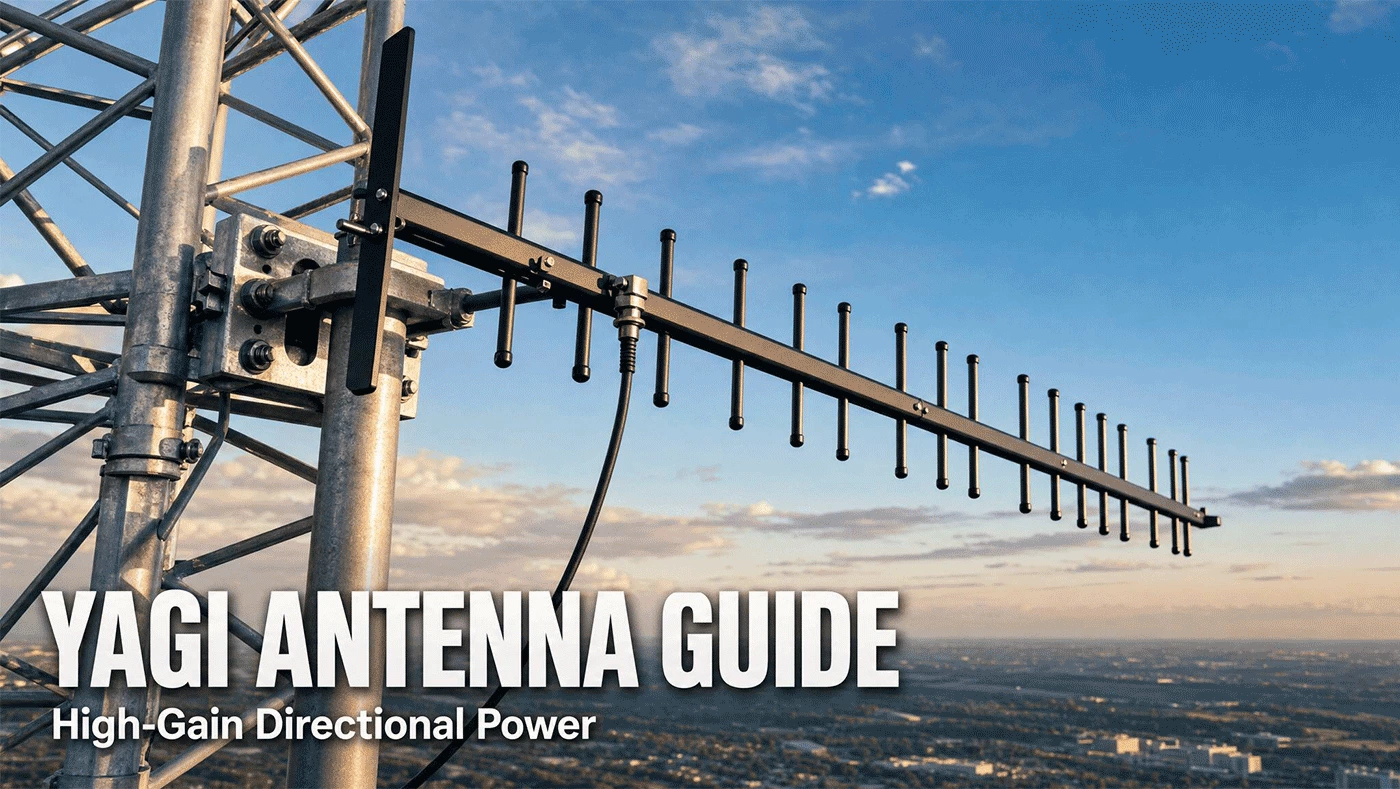
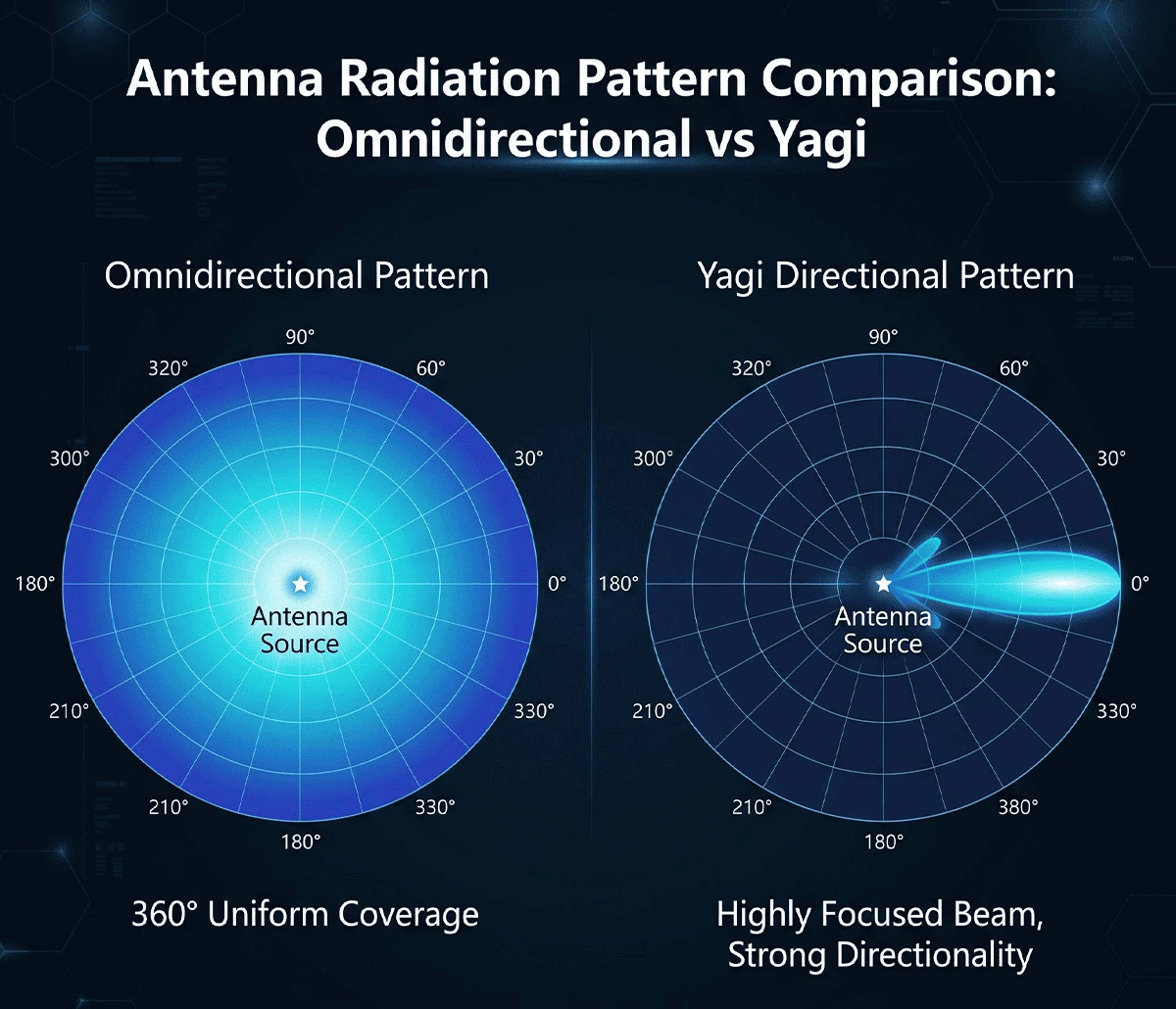
Unlike an omnidirectional antenna that radiates signals in a 360-degree circle, a Yagi antenna focuses its energy in one single direction, much like a flashlight beam focuses light. It achieves this focused directional gain through a combination of parallel metal rods called elements, all mounted along a central boom:
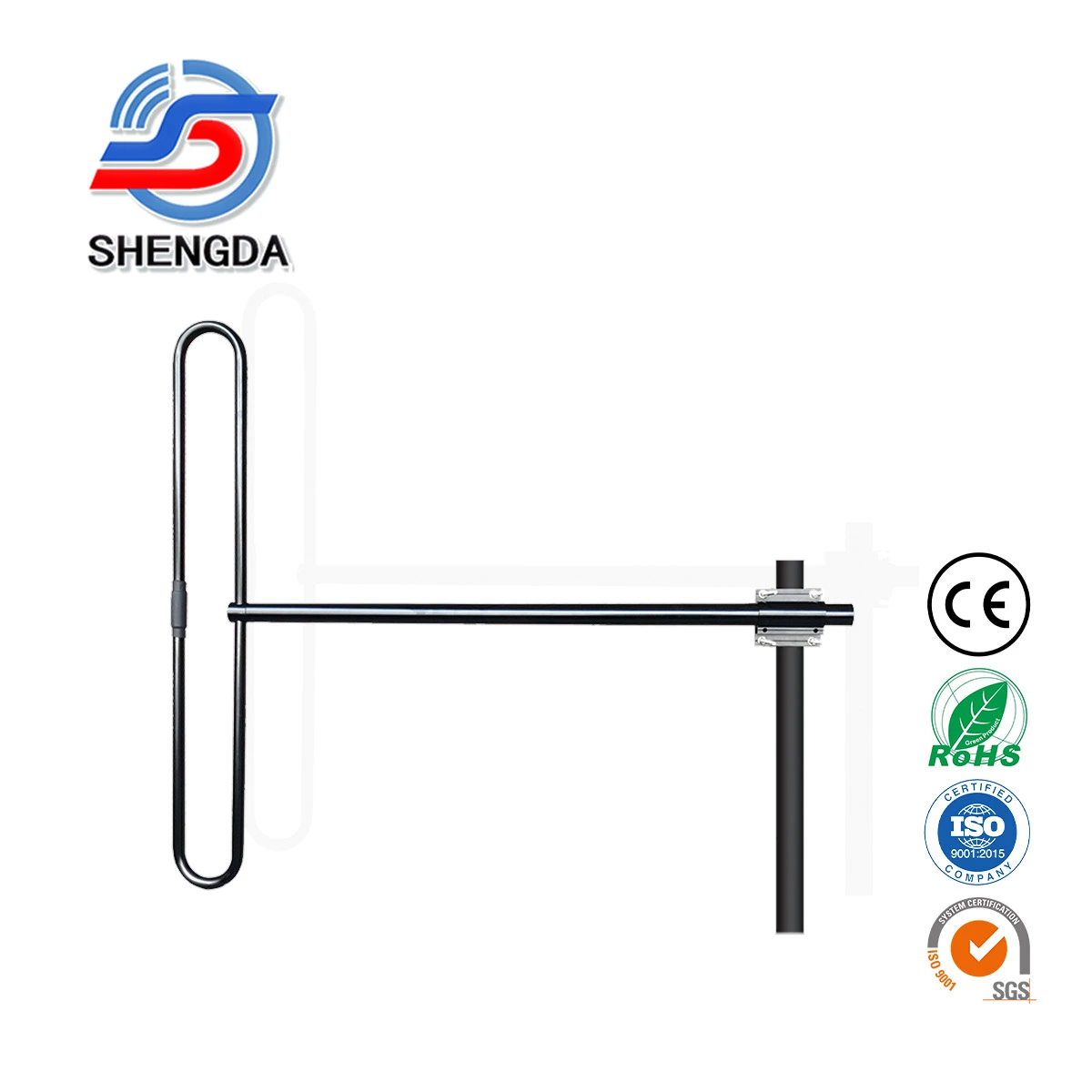
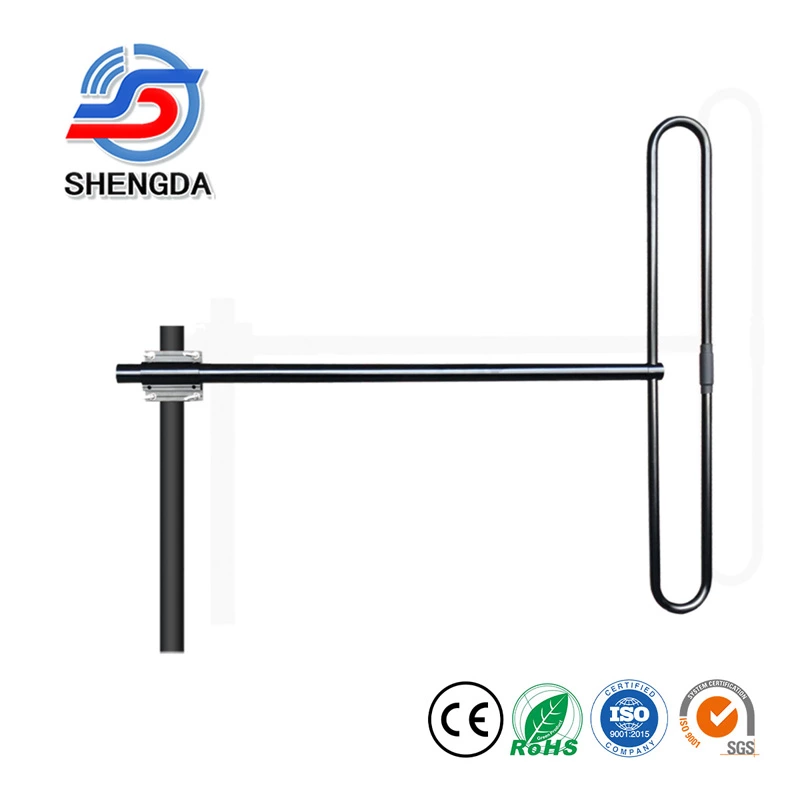
- The Driven Element: This is the heart of the antenna, directly connected to your transmitter via the coaxial cable. It receives the RF power and initiates the signal radiation.
- The Reflector: Positioned slightly behind the driven element, the reflector is longer. It acts like a mirror, stopping signals from traveling backward and reflecting them forward.
- The Directors: Placed in front of the driven element, these elements are shorter. They act like lenses, pulling the signal forward and tightening the beamwidth to increase directional gain.
By adding more directors to the central boom, the antenna’s beam becomes narrower and more concentrated, allowing the signal to travel significantly further.
Key Advantages for Industrial and Commercial Networks
Why do infrastructure projects consistently rely on Yagi designs? The benefits come down to precision:
- Exceptional High Gain: Yagi antennas easily achieve gains ranging from 9 dBi to over 15 dBi. This focused gain dramatically boosts your Effective Radiated Power (ERP) without requiring a more expensive, high-power transmitter.
- Interference Rejection: Because a Yagi antenna only "listens" and talks in one direction, it naturally ignores RF noise and competing signals coming from the sides or behind, ensuring a much cleaner Signal-to-Noise Ratio (SNR).
- Cost-Effective Point-to-Point Links: For connecting remote IoT nodes, SCADA telemetry systems, or bridging Wi-Fi/cellular networks between two fixed buildings, Yagis provide the most stable, reliable hardware link available.
Best Practices for Deploying Yagi Antennas
To fully unlock the potential of a high-gain Yagi antenna, installation precision is critical:
- Line-of-Sight and Alignment: Since the beamwidth is narrow, even a minor few degrees of misalignment can cause severe signal drops. Use proper alignment tools during point-to-point setup.
- Polarization Matching: Ensure that both the transmitting and receiving Yagi antennas are oriented in the same plane—either both horizontal or both vertical. A polarization mismatch can slash your signal by up to 20 dB.
- Mind Your Cable Connections: High-gain antennas can be quickly choked by a poor transmission line. Always pair your directional antennas with high-quality, low-loss coaxial cables (such as LMR-400) to ensure the concentrated energy actually reaches your equipment without unnecessary attenuation.
Conclusion
When your wireless project demands high gain, long-distance reach, and excellent interference rejection, the Yagi antenna is an unmatched choice. From remote LoRaWAN networks to heavy-duty industrial telemetry, choosing a precision-engineered Yagi guarantees maximum link stability.
Are you deploying a point-to-point network or trying to solve a weak signal issue in a challenging environment? Explore our wide selection of commercial-grade aluminum and enclosed Yagi antennas, or contact us to find the perfect frequency match for your project.