Magnetic Bases vs. Bracket Mounts: How to Choose the Right Antenna Mounting Solution
Magnetic Bases vs. Bracket Mounts: How to Choose the Right Antenna Mounting Solution
In RF system deployment, the antenna often gets the most attention, while the mounting hardware is treated as an afterthought. However, the choice of your antenna mounting solution directly impacts radiation patterns, structural integrity, and long-term RF performance.
For mobile, industrial, and fixed-site applications, the decision usually comes down to two primary methods: Magnetic Bases (Mag-Mounts) and Permanent Bracket Mounts.
Here is a technical breakdown of how these mounting solutions compare and how to choose the right one for your RF system.
1. Magnetic Bases (Mag-Mounts)
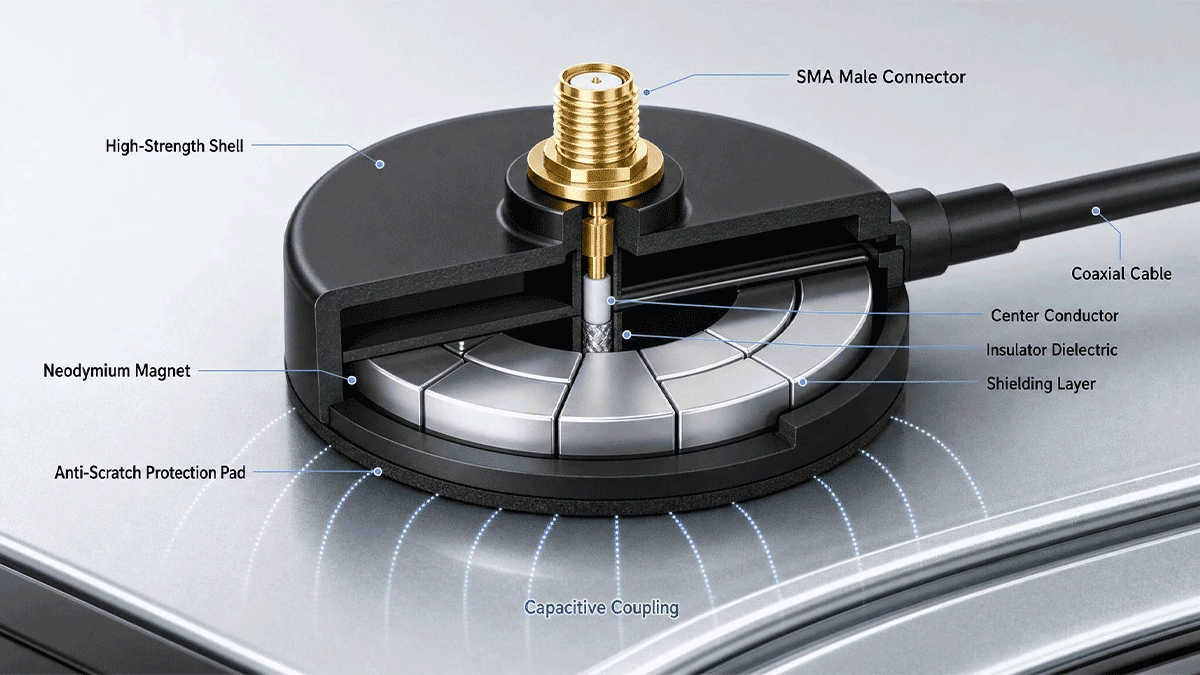
Technical Mechanics & Ground Plane Dependence
Most mag-mount antennas are ground-plane dependent (such as quarter-wave whips). They rely on the metallic surface they are stuck to to act as the "other half" of the antenna system, completing the dipole circuit.
- Capacitive Coupling: The magnetic base creates a capacitive connection through the paint and metal layer to establish an RF ground.
- RF Reflection: Without a large, flat, metallic surface beneath a magnetic base, the radiation pattern distorts, and your VSWR (Voltage Standing Wave Ratio) will spike, leading to high signal reflection and potential transmitter damage.
Pros:
- Zero Drilling: Ideal for rented vehicles, temporary field testing, or rapid deployments where altering the structure is forbidden.
- Easy Tuning/Repositioning: Can be moved effortlessly to find the optimal line-of-sight or to adjust for cable routing.
Cons:
- Speed & Wind Limits: High winds or highway speeds can cause the mount to shift or detach, potentially damaging the RF cable or the antenna itself.
- Paint Degradation: Trapped moisture and debris beneath the magnet can cause micro-abrasions or corrosion over time.
2. Permanent Bracket Mounts
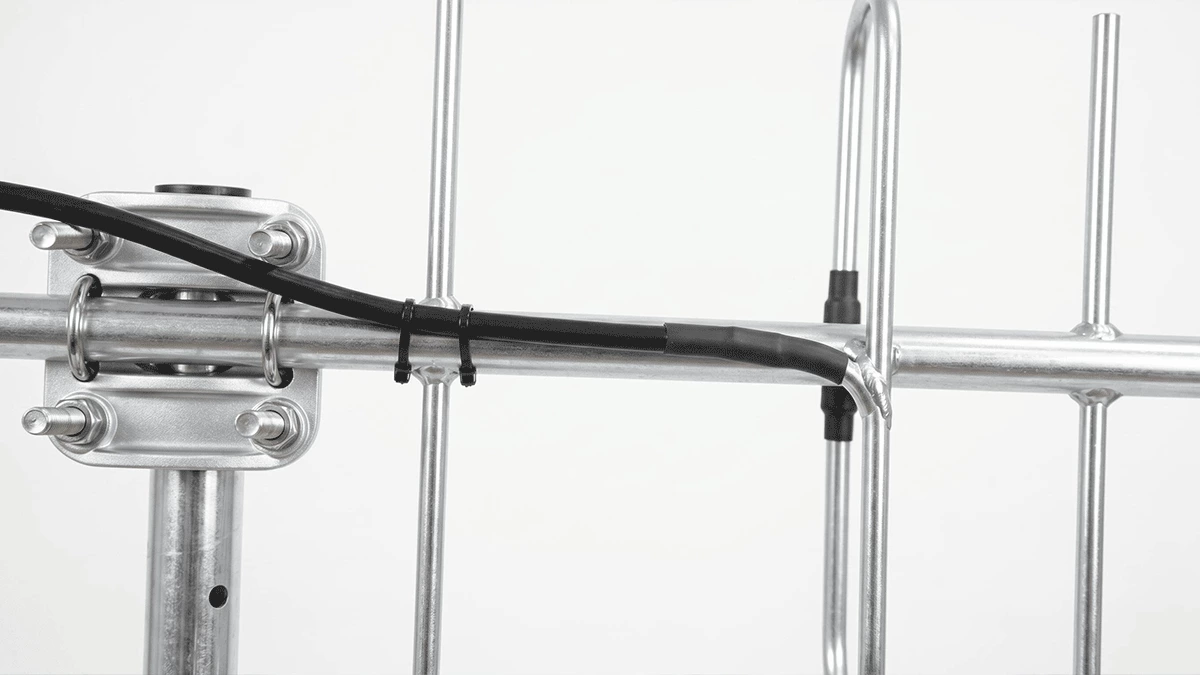
Technical Mechanics & Grounding Directness
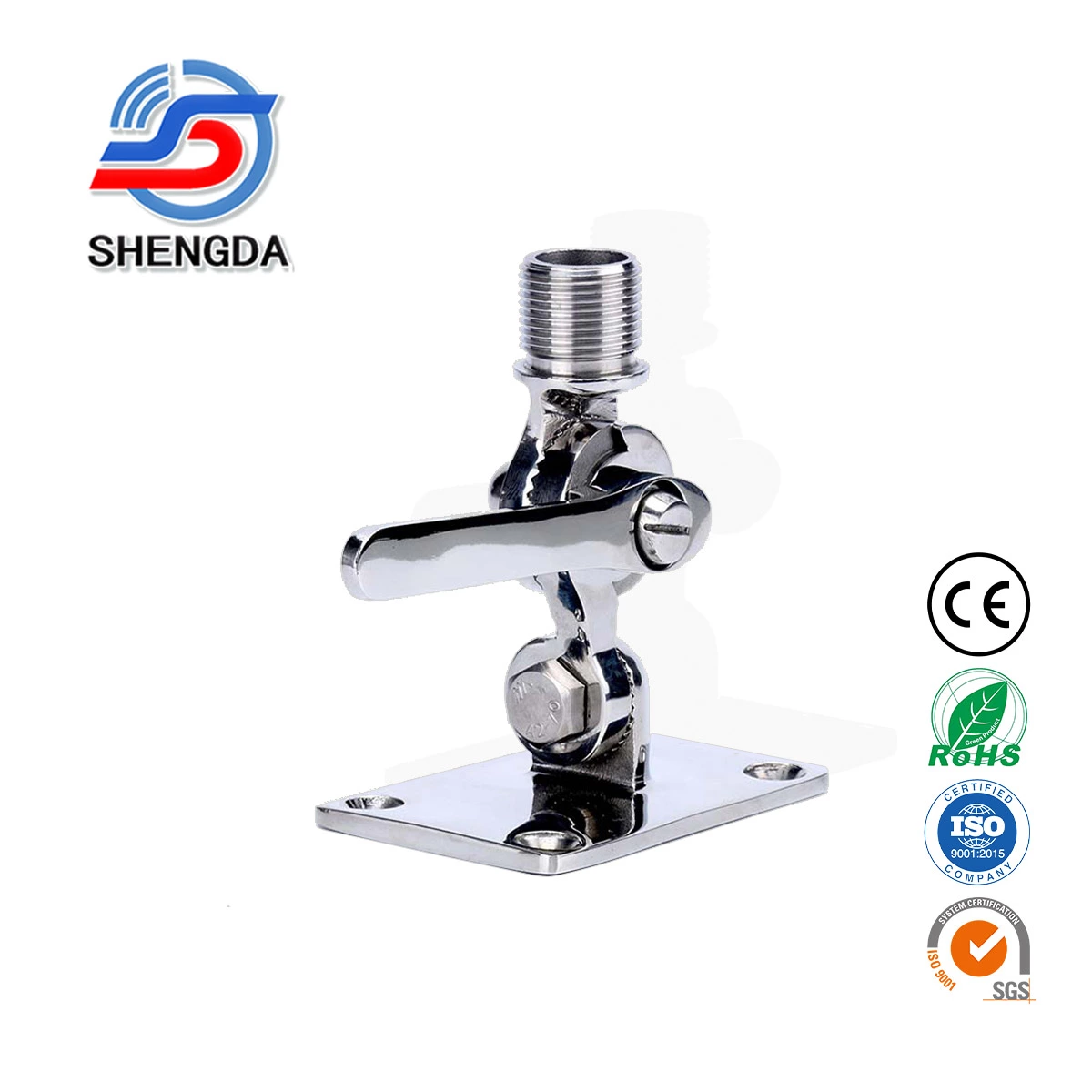
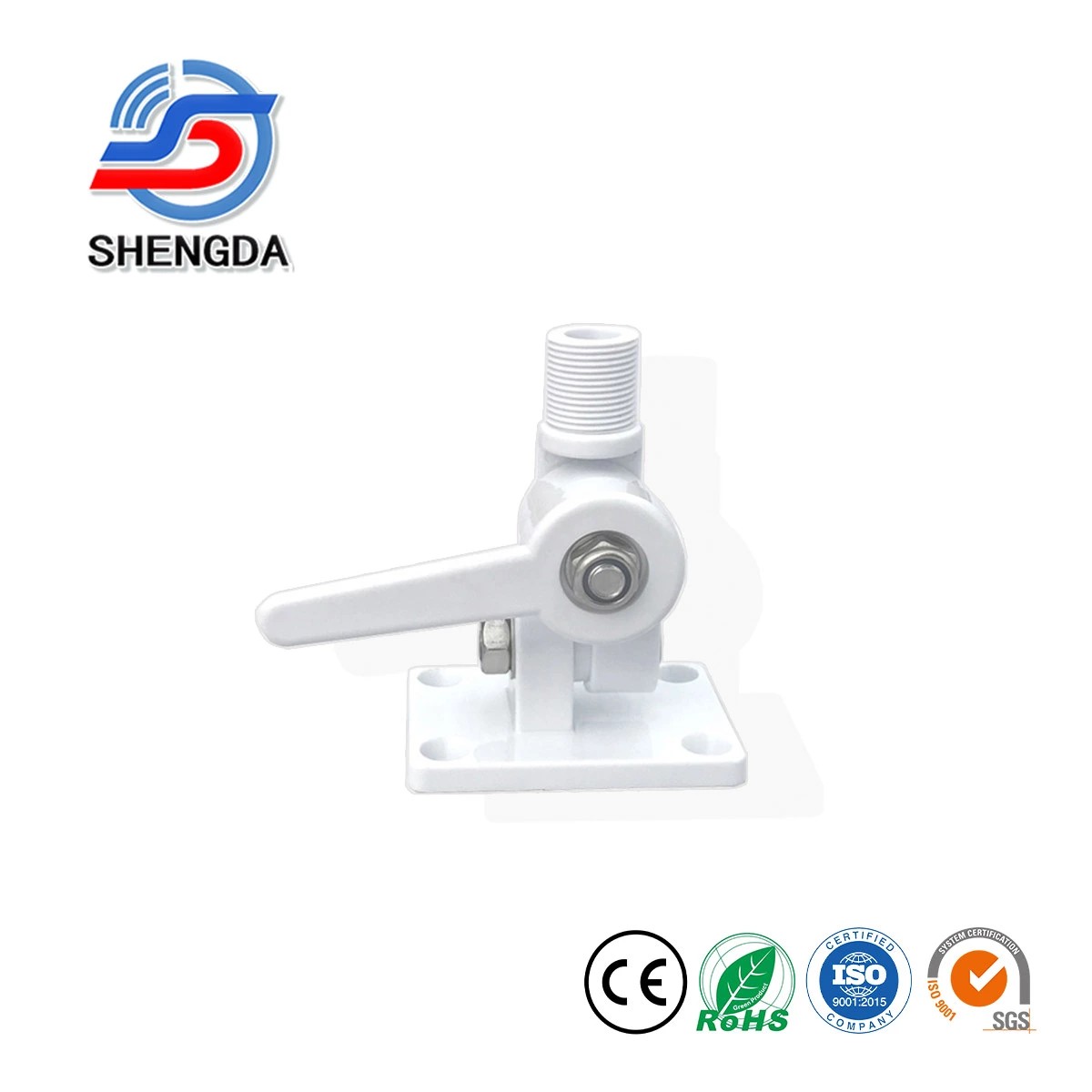
Unlike the capacitive coupling of a mag-mount, bracket mounts offer a direct, physical DC ground when bolted tightly to a bare metal structure.
- Independent vs. Dependent: If using a ground-independent antenna (like a half-wave dipole or Yagi), the bracket simply acts as a mechanical support. If using a ground-dependent antenna, the bracket must be structurally bonded to a large metallic chassis or ground wire network to maintain nominal impedance (50 Ω).
Pros:
- Maximum Mechanical Stability: Engineered to withstand extreme weather conditions, high wind loads, and continuous high-vibration industrial environments.
- Low Long-Term Insertion Loss: Because the connection is fixed and sealed, there is less risk of the RF joint shifting and creating intermittent signal drops.
Cons:
- Permanent Modification: Requires drilling or permanent clamping, making relocation time-consuming.
- Installation Complexity: Requires careful weatherproofing (using self-amalgamating tape) around the connectors to prevent moisture ingress into the coaxial feedline.
Technical Comparison Matrix
| Technical Metric | Magnetic Bases (Mag-Mounts) | Bracket Mounts (Permanent) |
|---|---|---|
| Installation Type | Non-invasive, temporary/mobile | Invasive, permanent/fixed |
| RF Grounding Method | Capacitive coupling through surface | Direct mechanical/DC bonding |
| Vibration/Wind Resistance | Moderate (subject to slipping) | High (rated for industrial wind loads) |
| Ideal Antenna Types | Omni-directional whips, puck antennas | Yagi, Sector, heavy Fiberglass Omnis |
| Common Applications | Fleet testing, temporary IoT nodes | Base stations, industrial gateways, marine |
How to Choose the Right Solution for Your RF System
To determine the ideal mounting configuration, evaluate your project against these three engineering criteria:
1. Is the Antenna Ground-Plane Dependent?
- If your antenna requires a ground plane to function correctly and you are mounting it to a non-metal surface (like a fiberglass roof or a wooden pole), a standard mag-mount will fail. You must use a Bracket Mount paired with a ground-independent antenna, or install a dedicated metal ground plate.
2. Physical Environment and Wind Load
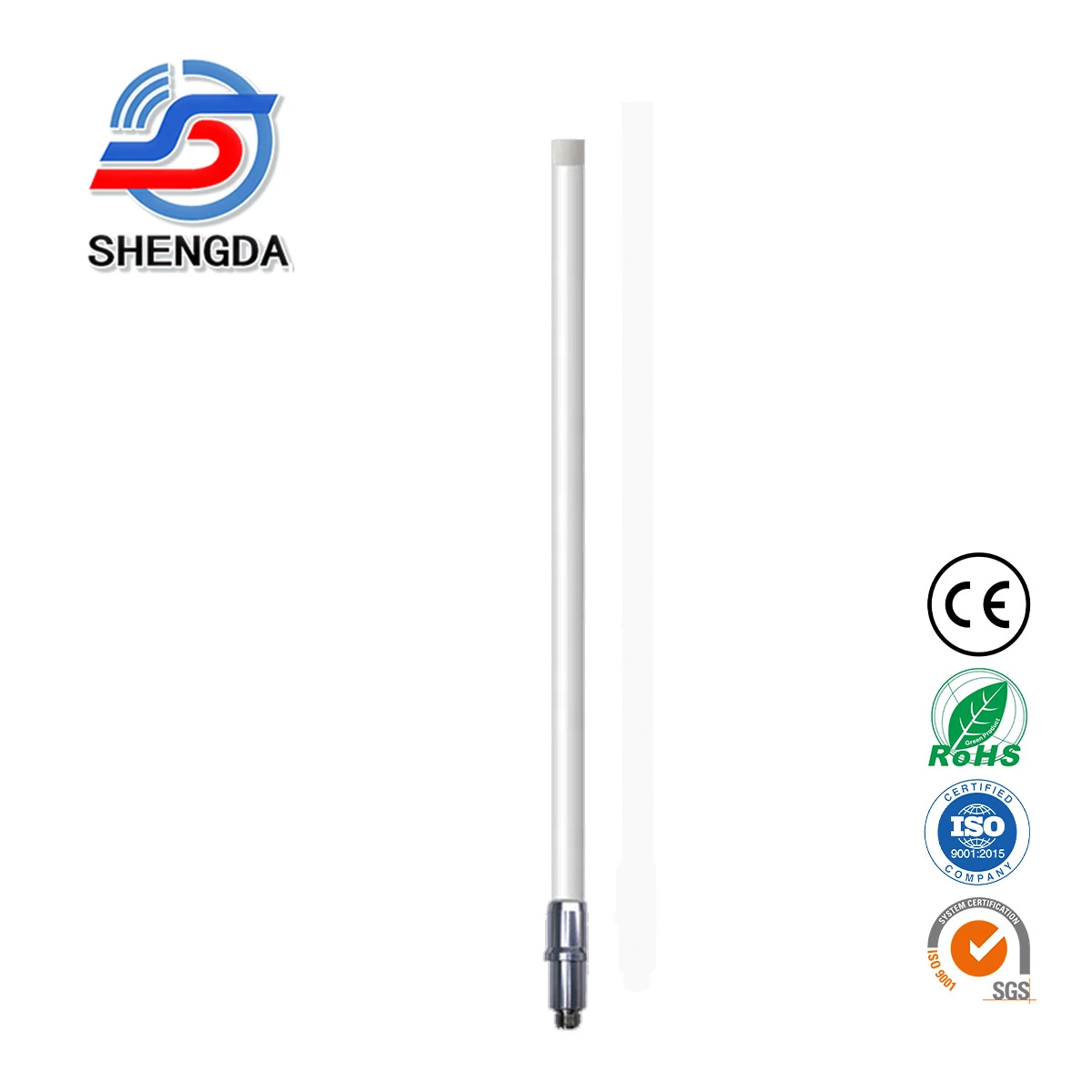
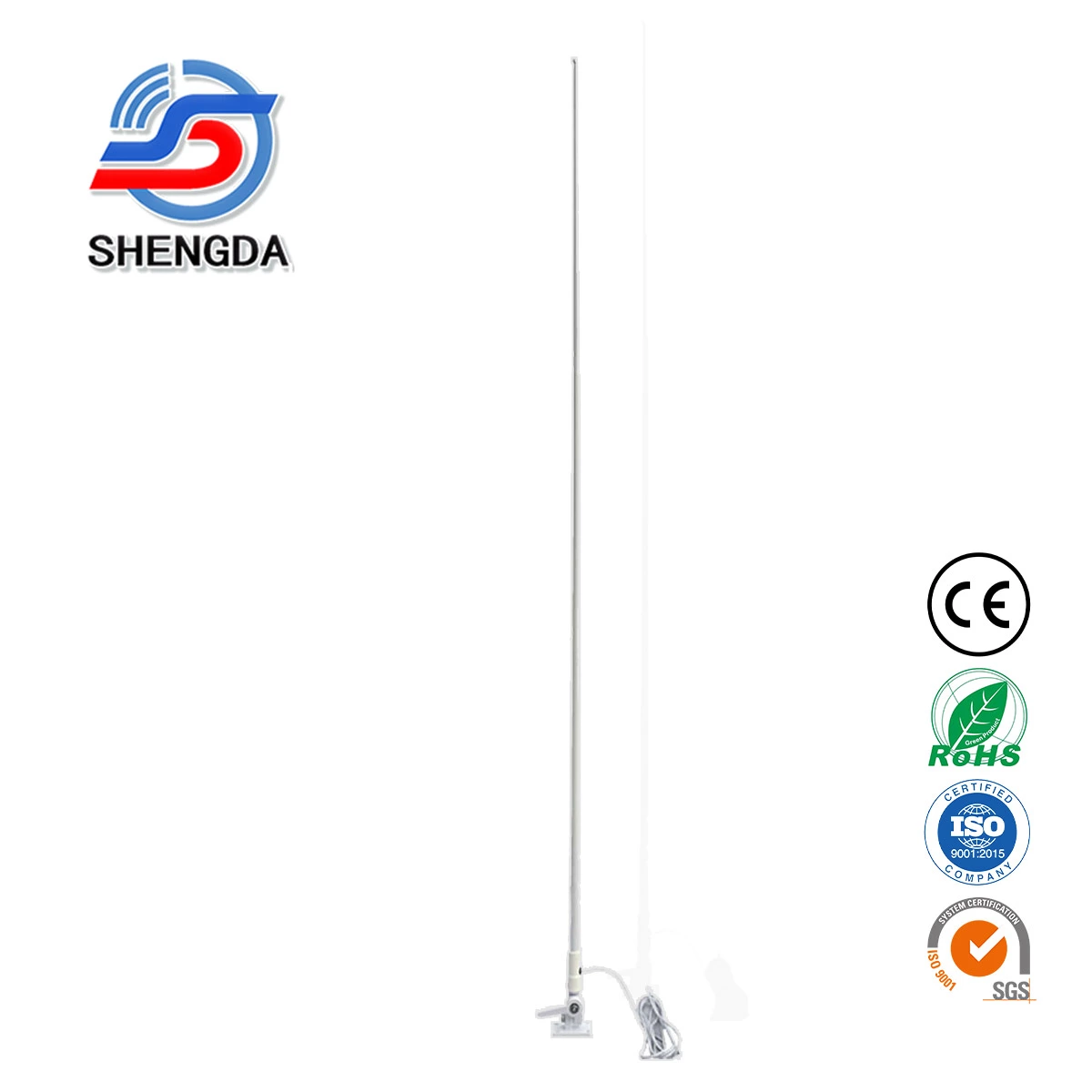
- High-gain directional antennas (like heavy Yagis or long omni-directional fiberglass poles) have a high wind profile. The leverage exerted by wind will easily tip over a magnetic base. These always require heavy-duty bracket mounts bolted to a rigid structure.
- Low-profile "puck" antennas or short mobile whips are perfectly suited for magnetic bases.
3. Deployment Duration & Maintenance Access
- For fixed infrastructure (e.g., smart city utility poles, remote weather monitoring, or permanent cellular base stations), bracket mounts are mandatory. They eliminate the risk of human error, theft, or environmental shifting.
- For field diagnostics, temporary event coverage, or modular prototyping, magnetic bases save hours of installation time.
Conclusion
Every link in your RF chain matters. A premium antenna paired with an unstable or poorly grounded mount will result in degraded signal range, high VSWR, and system inefficiency. Ensure your choice aligns with both your mechanical environment and the electrical grounding requirements of your antenna.
If you need technical assistance matching the correct mount to your specific frequency requirements, please contact us to speak with our engineering support team.