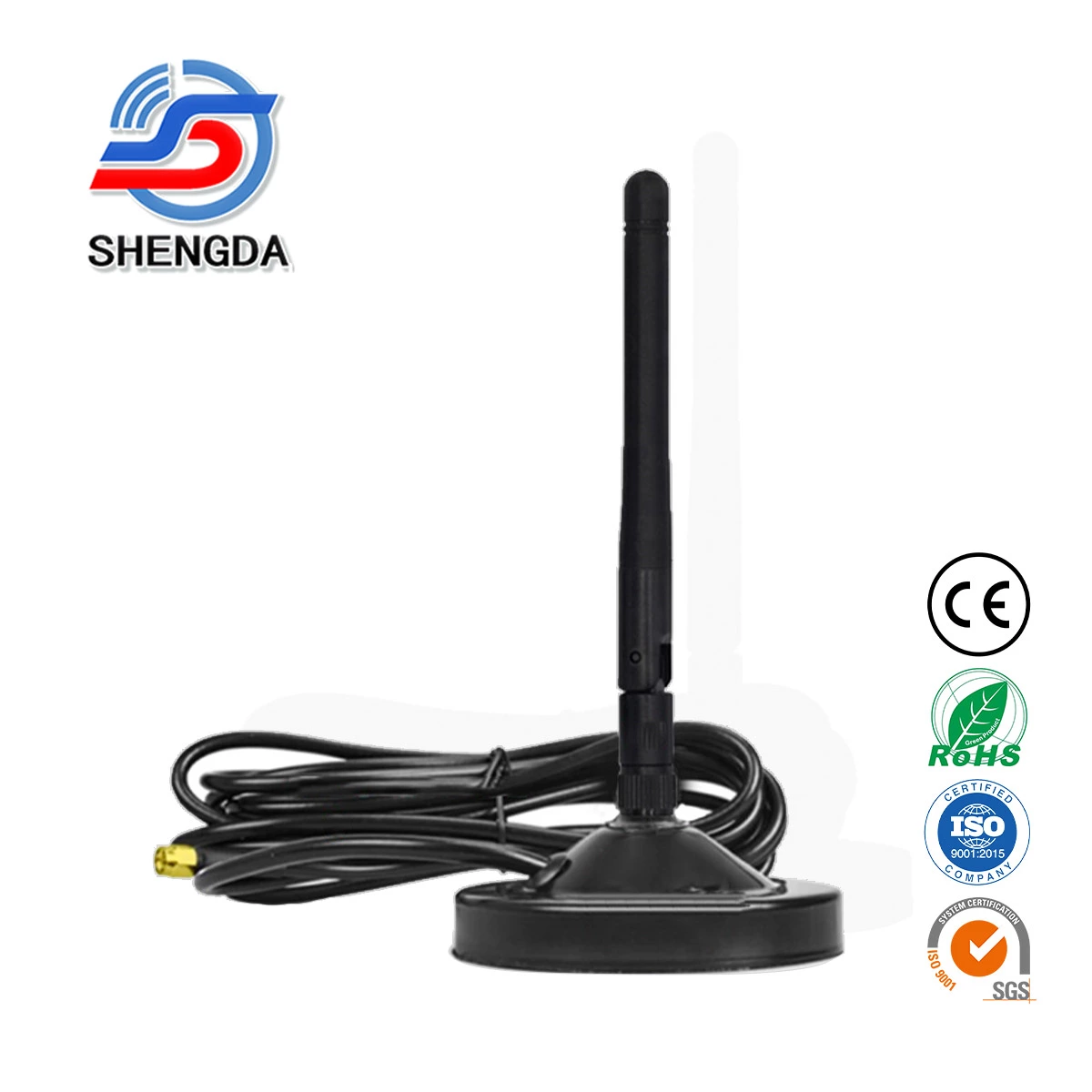
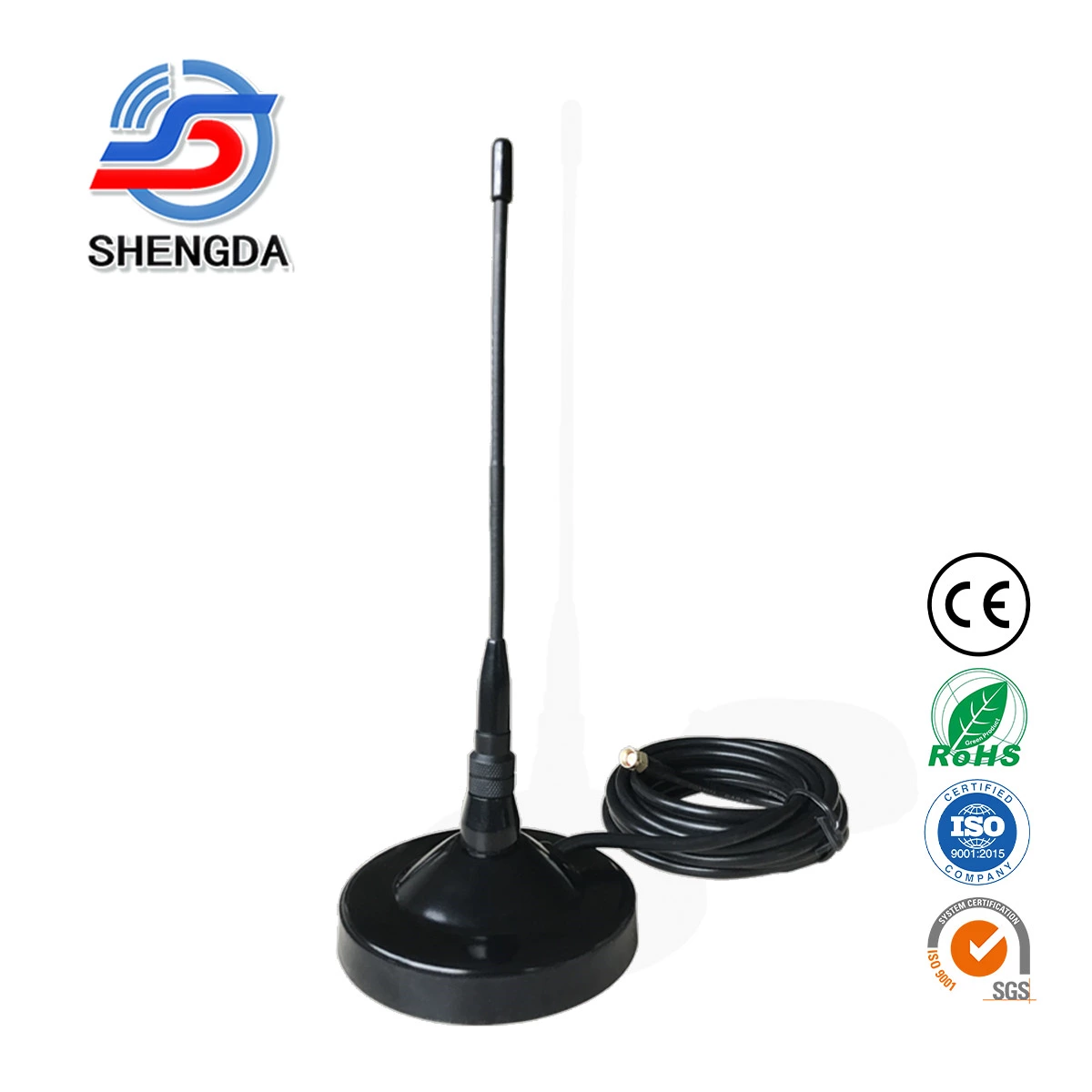
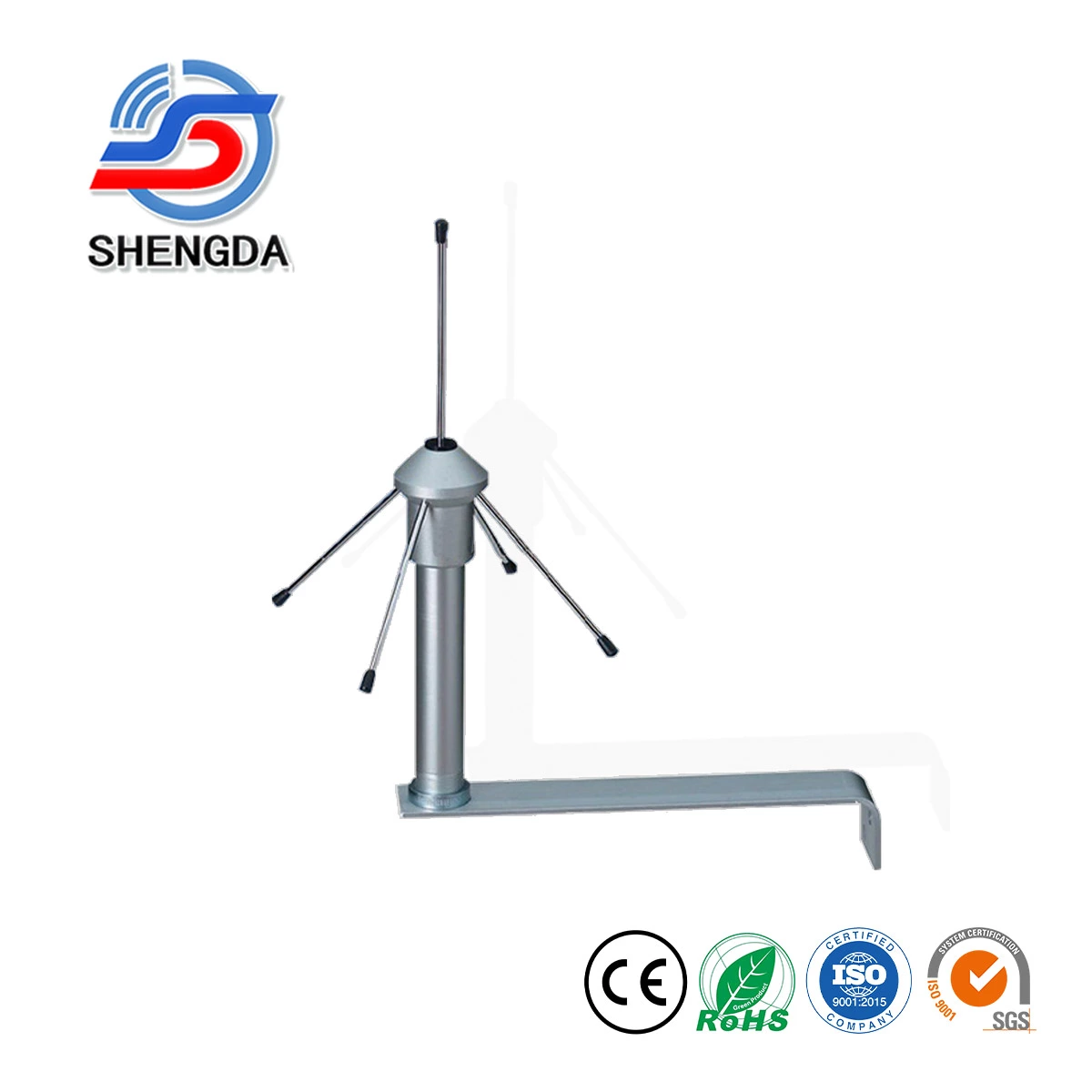
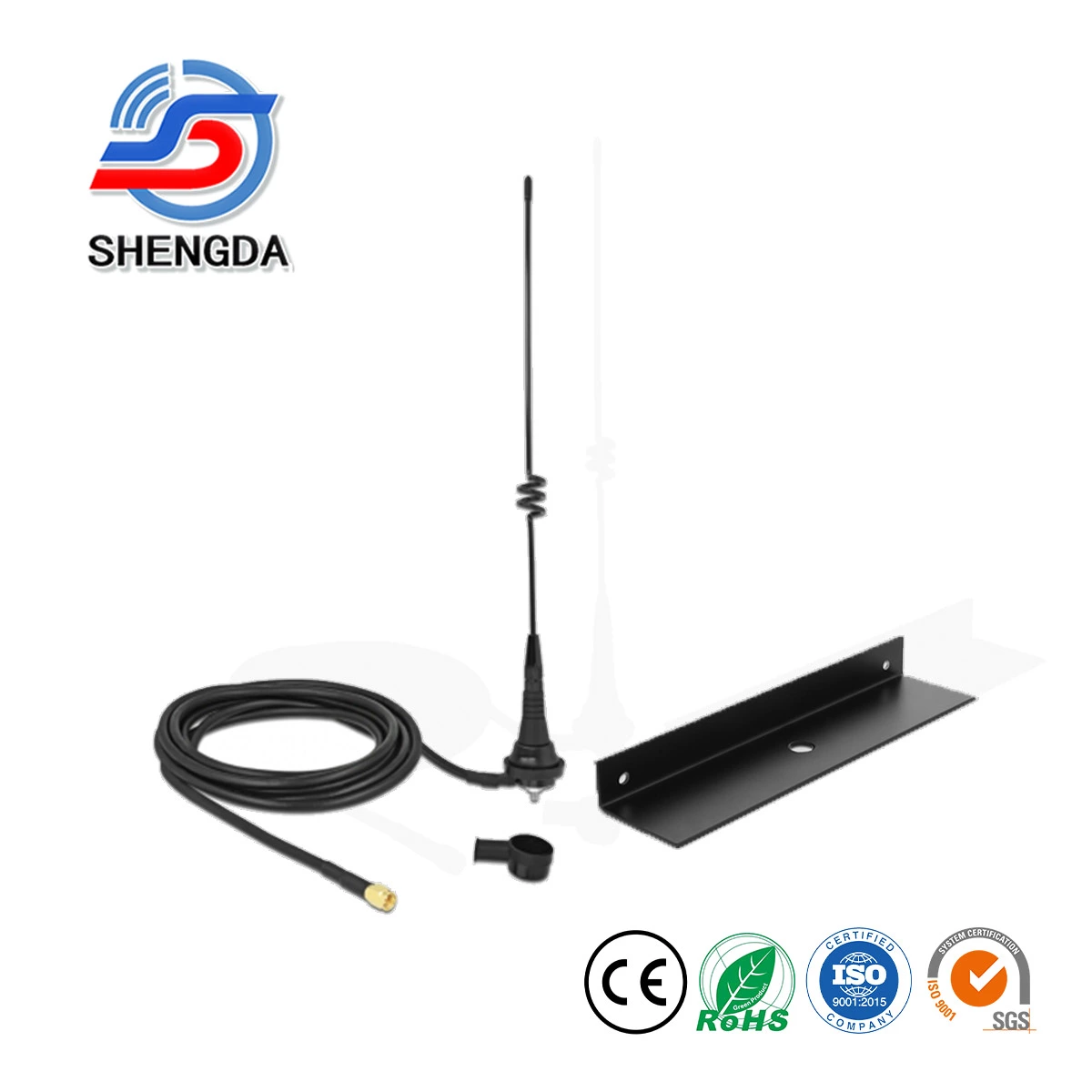
LoRa Antenna Selection: 433MHz, 868MHz, or 915MHz? The Ultimate Guide for Your Gateway
When building a LoRa network or an Internet of Things (IoT) project, the biggest headache often isn't the code or gateway configuration, but that seemingly inconspicuous antenna. Have you ever encountered this situation: your gateway has plenty of transmit power, but the coverage is only a few hundred meters? Or the transmission is highly unstable with frequent packet drops?
A large part of the reason is choosing the wrong antenna frequency. An antenna is never a "plug-and-play as long as the connector fits" accessory; it must precisely match your device's frequency. Today, we'll discuss how to choose the most suitable antenna for your LoRa gateway.
Why is Frequency Matching the "Lifeline" of Antenna Performance?
The working principle of an antenna is electromagnetic resonance. The internal physical structure of every antenna is "tailor-made" for a specific frequency band.
What happens if your gateway operates at 915MHz, but you arbitrarily screw on a 433MHz antenna?
- High VSWR: A very high Standing Wave Ratio (VSWR) causes most of the RF signal to reflect back into the gateway rather than radiating outward.
- Wasted Energy: The signal dissipates as heat, severely shortening the transmission distance.
- Hardware Damage Risk: Long-term, high-intensity reflected waves can easily cause the gateway's Power Amplifier (PA) to overheat or even burn out directly.
In short: If the frequency is wrong, even the most expensive gateway won't perform.
How Do I Determine Which Frequency to Use?
LoRa frequencies are not set arbitrarily; they are restricted by radio regulations (ISM bands) in different countries and regions. Here is a reference for frequency band distribution in mainstream regions globally:

| Target Deployment Region | Mainstream LoRa Frequency | Common Applications |
|---|---|---|
| China / Parts of Asia | 433 MHz / 470 MHz | Industrial Automation, Smart Metering |
| Europe / Africa | 868 MHz | Smart Cities, Environmental Monitoring |
| North & South America / Australia | 915 MHz / 923 MHz | Smart Agriculture, Long-range Logistics Tracking |
I Got the Right Frequency, Is That Enough?
After confirming the base frequency, many people fall into another trap: thinking all 915MHz antennas are the same. In reality, different deployment environments have vastly different requirements for the antenna's form factor and parameters.
As a professional manufacturer developing and producing a wide variety of antennas, we know deeply that no single antenna is a "silver bullet." That's why, in addition to standard frequencies, we offer a rich set of specialized options:


Need Coverage Range? Pay Attention to Gain: For dense indoor multi-point data collection, a low-gain 2-3dBi omnidirectional antenna provides blind-spot-free spherical coverage. For outdoor ultra-long-distance point-to-point transmission, you need a 5-8dBi or even higher fiberglass base station antenna.
Harsh Outdoor Environments? Pay Attention to Material & Protection: For gateways installed on rooftops or in the wild, ordinary rubber duck antennas cannot withstand prolonged exposure to the elements. You need to choose a waterproof, UV-resistant Fiberglass Antenna and pair it with a sturdy mounting bracket.
Don't Use Just Any Cable: For high-frequency bands like 915MHz, if your antenna requires an extension cable (e.g., routing from indoor to outdoor), be sure to select low-loss coaxial cables (such as LMR400 grade) from our Antenna Accessories section. Otherwise, signal attenuation caused by poor cables will completely negate the advantages of a high-gain antenna.
Conclusion & Solutions
Choosing the right antenna is the cornerstone of ensuring stable LoRa network operation. Don't let a mismatched antenna become the bottleneck of your entire IoT project.
Because deployment scenarios vary endlessly, if you are unsure which specifications best suit your current gateway project, feel free to browse our 433/868/915MHz LoRa Antenna Catalog. From indoor testing to outdoor base station deployment, our extensive manufacturing product line can provide you with precisely matched RF solutions.