Antenna vs Signal Strength: How Antenna Design Affects Wireless Performance
In today’s hyper-connected world, reliable wireless performance isn’t just a convenience—it’s a necessity. Whether you’re running IoT networks, deploying Wi-Fi systems, or building long-range RF links, one component plays an outsized role in success: the antenna.
Many people assume signal strength and wireless range depend solely on transmission power, but that’s a common misconception. In reality, antenna design, type, and installation directly determine signal strength, stability, and overall system performance. This guide breaks down exactly how antennas shape wireless outcomes, and how to choose the right one for your needs.
What Is Signal Strength, and Why Does It Matter?
Signal strength measures the power level of a wireless signal received by a device, typically quantified in dBm (decibel-milliwatts)—the standard unit for RF signal measurement.
- A strong signal sits closer to 0 dBm
- A weak signal falls near -100 dBm
Weak signal strength isn’t just an inconvenience—it cripples wireless functionality. Common issues caused by poor signal include:
- Sluggish data transmission and slow load times
- Frequent connection drops and intermittent outages
- Higher packet error rates and corrupted data
- Reduced device compatibility and coverage gaps
Put simply: stronger signal = more reliable wireless performance.
How Antennas Directly Impact Signal Strength
A critical truth about antennas: they do not create power. Instead, they act as a directional conduit, optimizing how RF power is transmitted and received. Even with high-powered transmitters, a poorly designed antenna will waste energy and deliver weak signals.
Below are the four key ways antennas influence signal strength:
1. Antenna Gain (dBi)
Antenna gain (measured in dBi) defines how efficiently an antenna focuses RF energy. It’s not about increasing power—it’s about directing it strategically.
- Higher gain: Concentrates energy into a narrow beam, delivering stronger signals in a specific direction (ideal for long-range links)
- Lower gain: Distributes energy broadly, offering wider coverage but weaker individual signal strength
For example: A 9 dBi antenna will drastically outperform a 2 dBi antenna for long-distance communication, as it focuses energy toward the target receiver instead of scattering it.
2. Radiation Pattern
The radiation pattern describes how an antenna distributes its signal—and this directly impacts strength and coverage.
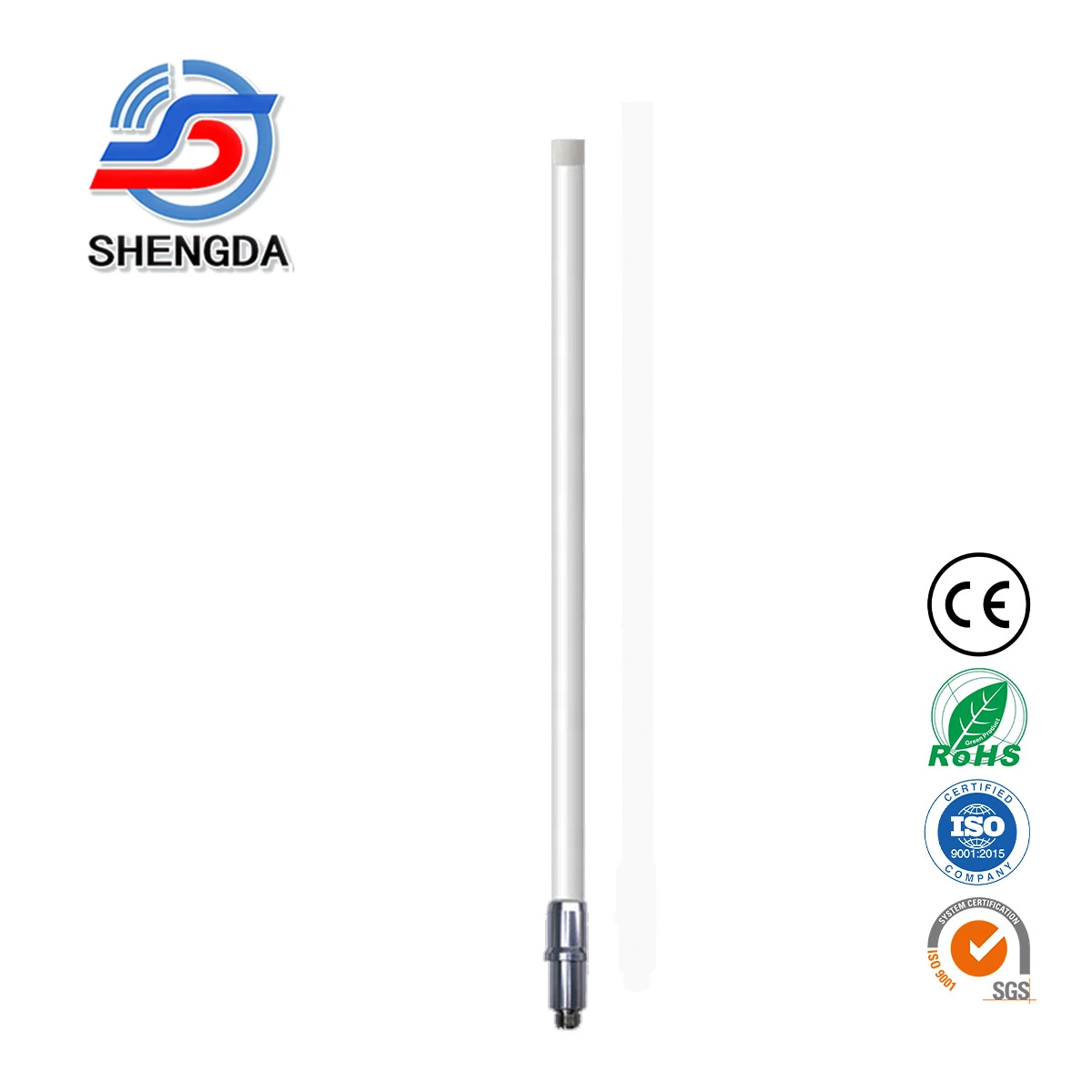
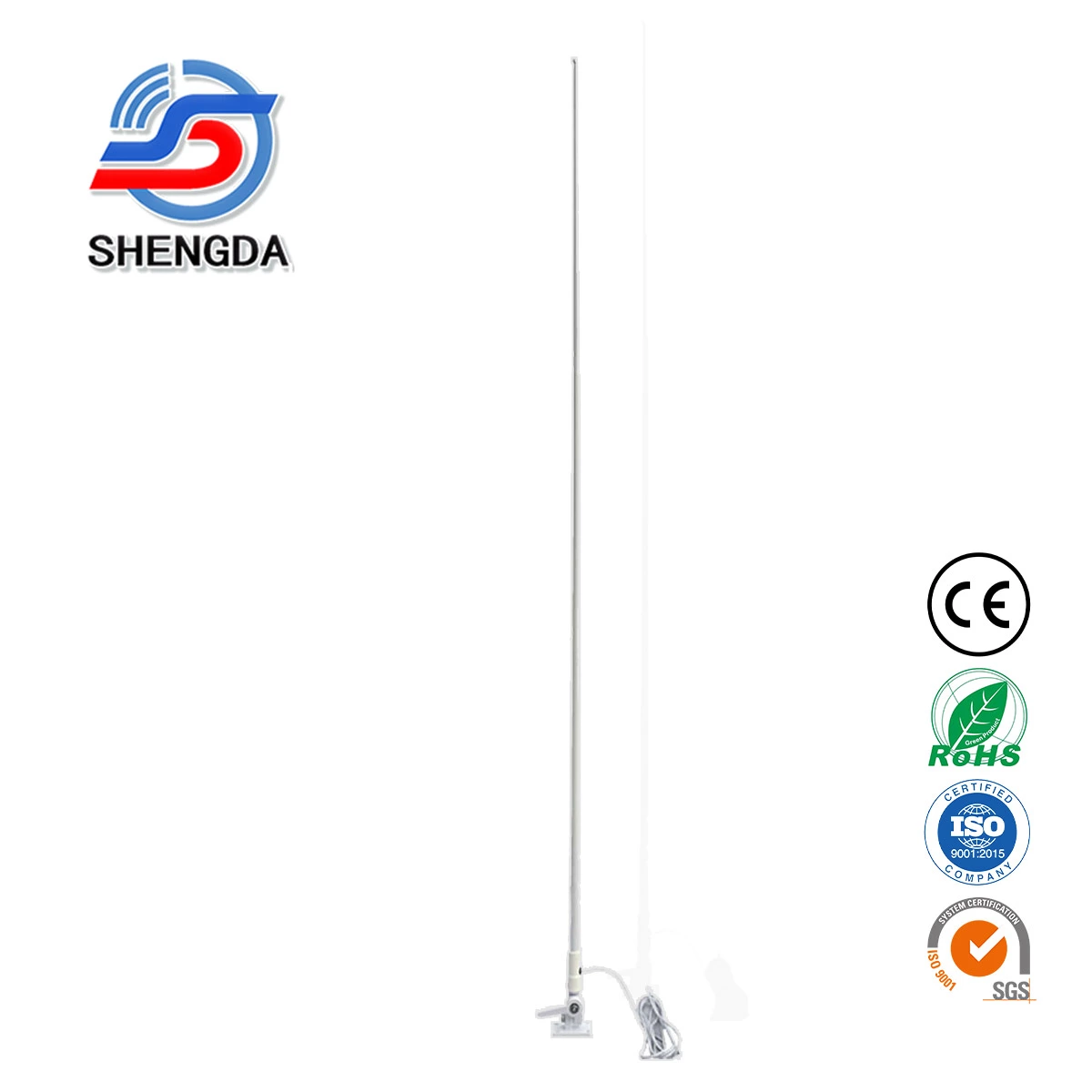
- Omnidirectional antennas: Spread signals evenly in 360 degrees (perfect for indoor Wi-Fi, small IoT networks, or wide-area coverage)
- Directional antennas: Focus signals into a tight, targeted beam (yagi antennas, panel antennas, etc.)
Directional antennas are game-changers for long-range performance: they amplify signal strength over distance by eliminating wasted energy in unused directions.
3. Frequency Matching
Wireless devices operate on specific frequencies (433MHz, 868MHz, 2.4GHz, 5GHz, etc.), and antenna frequency must match the device exactly.
- Mismatched frequencies cause severe signal loss, reduced efficiency, and near-total connection failure
- Proper frequency matching ensures maximum energy transfer and optimal signal strength
This is one of the most overlooked (and costly) mistakes in antenna selection.
4. Polarization Alignment
Antennas transmit signals in specific polarizations (vertical or horizontal). For maximum signal strength, the transmitter and receiver antennas must share the same polarization.
- Misaligned polarization (vertical vs. horizontal) creates significant signal attenuation
- Proper alignment preserves signal integrity and maximizes received power
Will a Better Antenna Increase Wireless Range?
The short answer: yes—with important caveats.
A high-quality, properly matched antenna will:
- Extend effective communication distance
- Boost signal stability in challenging environments
- Reduce the impact of interference and signal attenuation
But range isn’t determined by antennas alone. Real-world performance is also limited by:
- Physical obstacles (walls, trees, buildings, metal structures)
- RF interference from other wireless devices
- Base transmission power limits
- Environmental conditions (weather, terrain)
Even the best antenna can’t overcome extreme barriers—but it will maximize performance within the system’s capabilities.
Real-World Antenna Performance Comparison
The difference between low-quality and high-performance antennas is stark in practical use. Here’s how they stack up across common scenarios:
| Application Scenario | Low-Quality Antenna | High-Performance Antenna |
|---|---|---|
| 433MHz IoT Device | Unstable connections, frequent dropouts | Reliable long-range signal, consistent connectivity |
| 2.4GHz Wi-Fi | Weak indoor coverage, poor wall penetration | Expanded coverage, improved signal through obstacles |
| Outdoor Point-to-Point Link | Short, limited range | Stable long-distance communication (miles/kilometers) |
How to Boost Signal Strength With the Right Antenna
Choosing the correct antenna is the most cost-effective way to improve wireless performance—no extra power required. Follow these steps:
1. Match the Exact Frequency
Always select an antenna rated for your device’s operating frequency (433MHz, 868MHz, 2.4GHz, etc.). Double-check specs to avoid costly mismatches.
2. Pick the Right Gain Level
- Indoor use: Low-to-medium gain antennas (wide coverage, balanced signal)
- Outdoor long-range: High-gain antennas (targeted, powerful signal)
3. Use Directional Antennas for Distance
For point-to-point links, remote monitoring, or long-range IoT, directional antennas (yagi, panel) deliver unmatched signal strength and range.
4. Optimize Installation
- Avoid metal obstructions (they block and reflect RF signals)
- Mount antennas higher for unobstructed line of sight
- Align polarization and direction with the target receiver
Common Antenna Misconceptions (Debunked)
Myths about antennas lead to poor performance and wasted investment. Here’s the truth:
❌ Myth: Higher gain always means better performanceFact: High-gain antennas narrow coverage—they’re terrible for wide-area use.
❌ Myth: Any antenna works if it connectsFact: Frequency mismatch causes massive signal loss, even if a connection forms.
❌ Myth: Signal issues come from low powerFact: Most signal problems stem from wrong antenna type, poor installation, or mismatched specs—not power.
Final Thoughts
Antenna design and signal strength are inseparable. The right antenna doesn’t just “connect” devices—it optimizes every bit of RF power, delivering stronger signals, better range, and more reliable performance without increasing transmission power.
For engineers, IoT developers, and businesses relying on wireless systems, investing in quality antennas is one of the smartest upgrades you can make. It’s low-cost, high-impact, and solves the root cause of most wireless performance issues.
Don’t let a subpar antenna limit your system’s potential. Prioritize design, frequency matching, and proper installation—and watch your wireless performance transform.