How to Choose the Right Antenna: Handheld vs Vehicle vs Base Station (Complete 2026 Guide)
How to Choose the Right Antenna: Handheld vs Vehicle vs Base Station (Complete 2026 Guide)
Wireless communication performance depends heavily on antenna selection.
Choosing the wrong antenna can result in weak signal, unstable connection, or limited coverage — even if your device is high quality.
In this guide, we compare handheld antennas, vehicle antennas, and base station antennas, explain key technical parameters, and help you choose the right solution based on your environment and frequency needs.
1.Handheld Antennas – Compact and Flexible
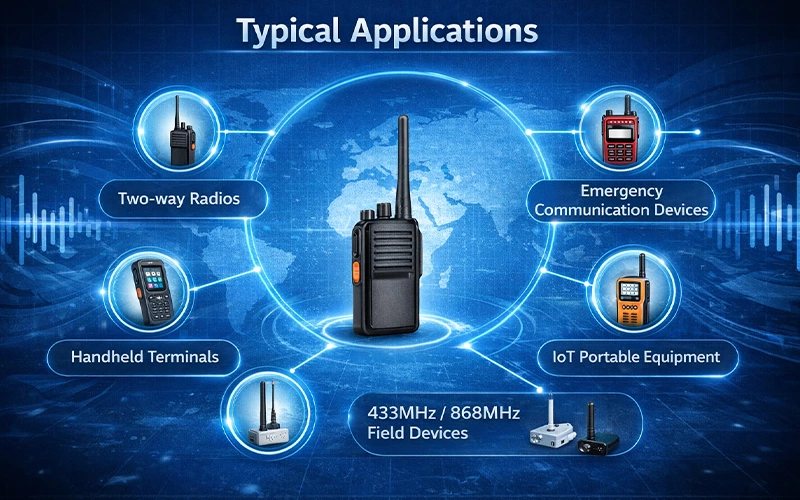
Typical Applications:
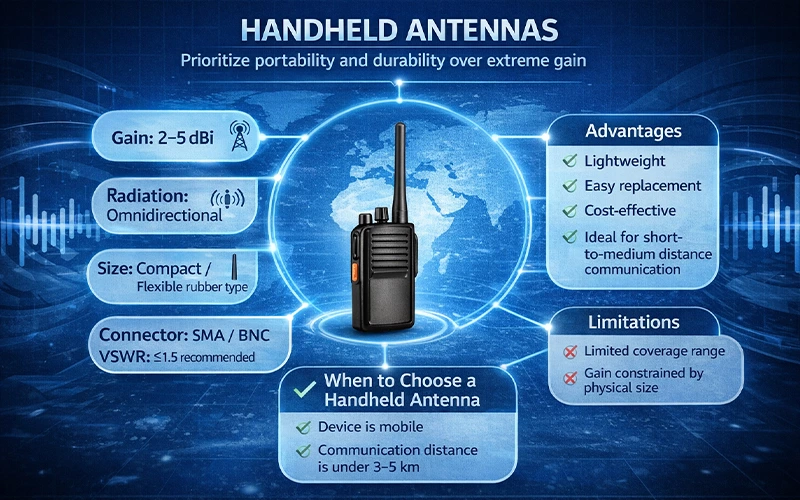
Key Characteristics:
Handheld antennas prioritize portability and durability over extreme gain.
Gain: 2–5 dBi
Radiation: Omnidirectional
Size: Compact / Flexible rubber type
Connector: SMA / BNC
VSWR: ≤1.5 recommended
Advantages
✔ Lightweight
✔ Easy replacement
✔ Cost-effective
✔ Ideal for short-to-medium distance communication
Limitations
✘ Limited coverage range
✘ Gain constrained by physical size
When to Choose a Handheld Antenna
Choose this type when:
Device is mobile
Communication distance is under 3–5 km
Weight and flexibility are priorities
You operate in VHF/UHF or sub-GHz bands like 433/868 MHz
2. Vehicle Antennas – Designed for Mobility and Stability
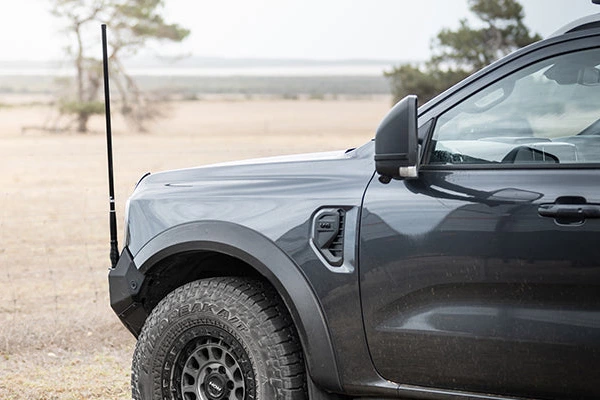
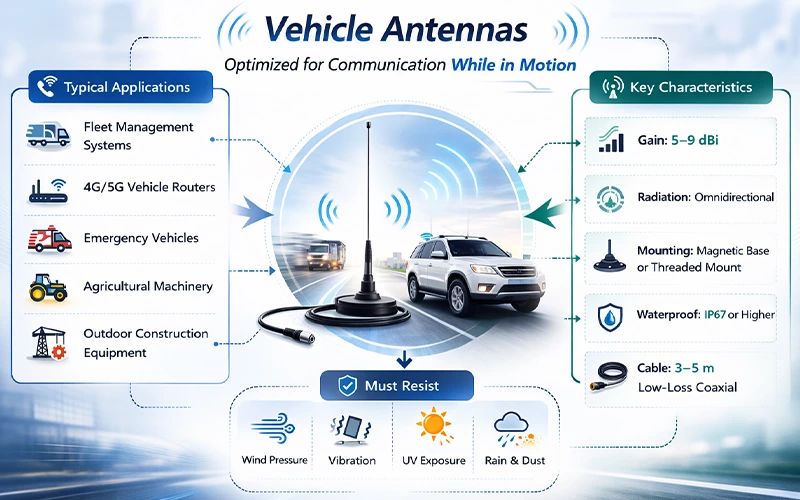
Vehicle antennas are optimized for communication while in motion.
Typical Applications
Fleet management systems
4G/5G vehicle routers
Emergency vehicles
Agricultural machinery
Outdoor construction equipment
Key Characteristics
Gain: 5–9 dBi
Radiation: Omnidirectional
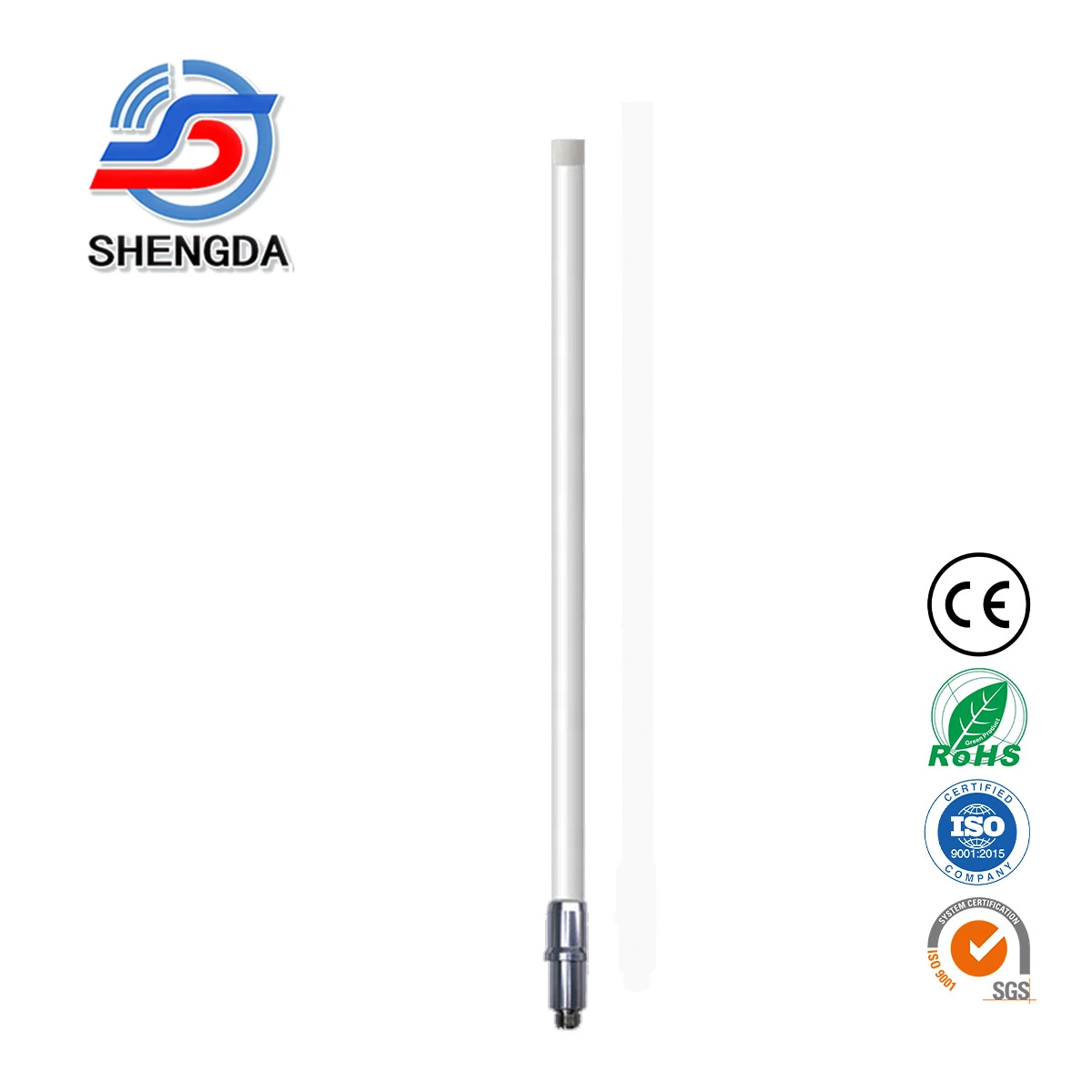
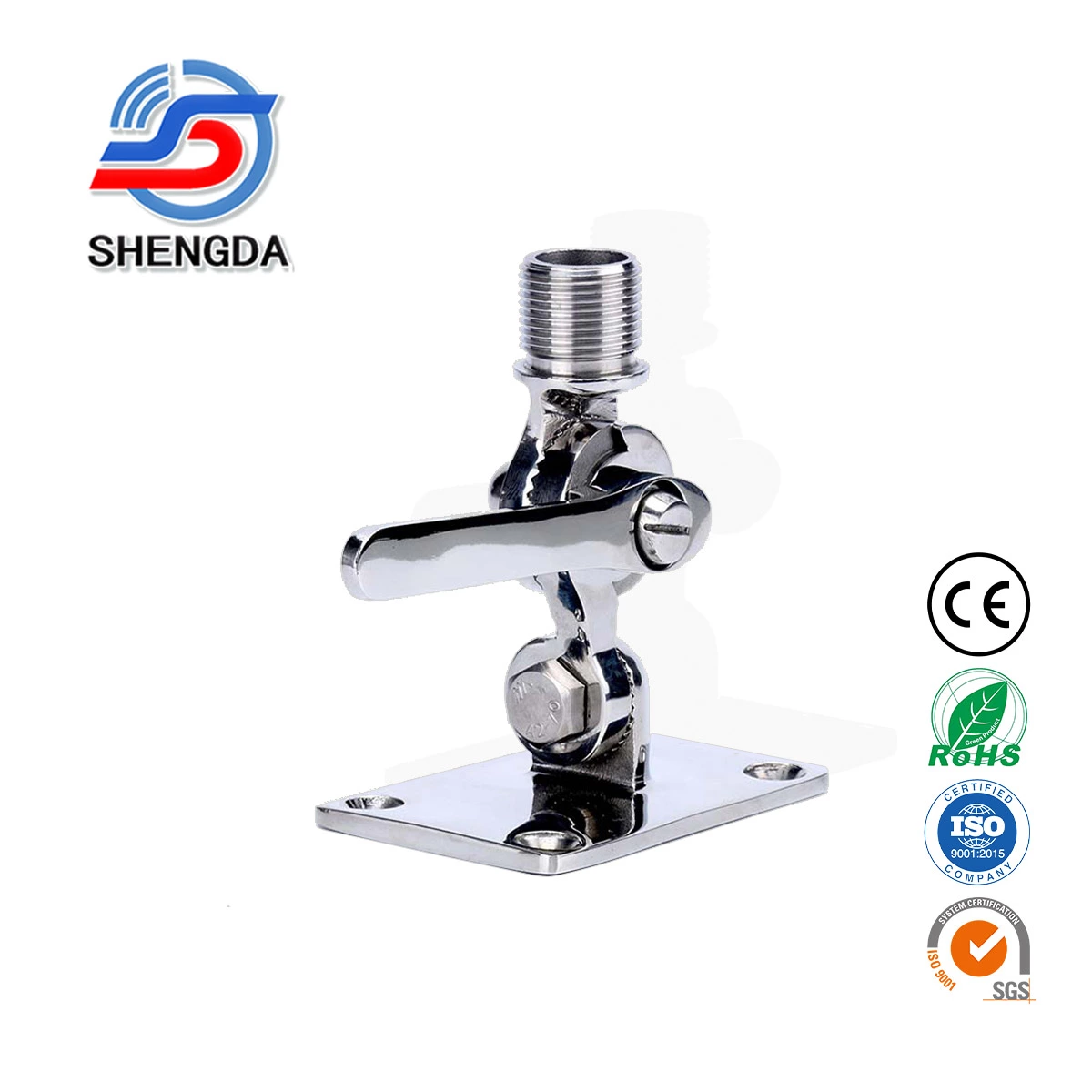
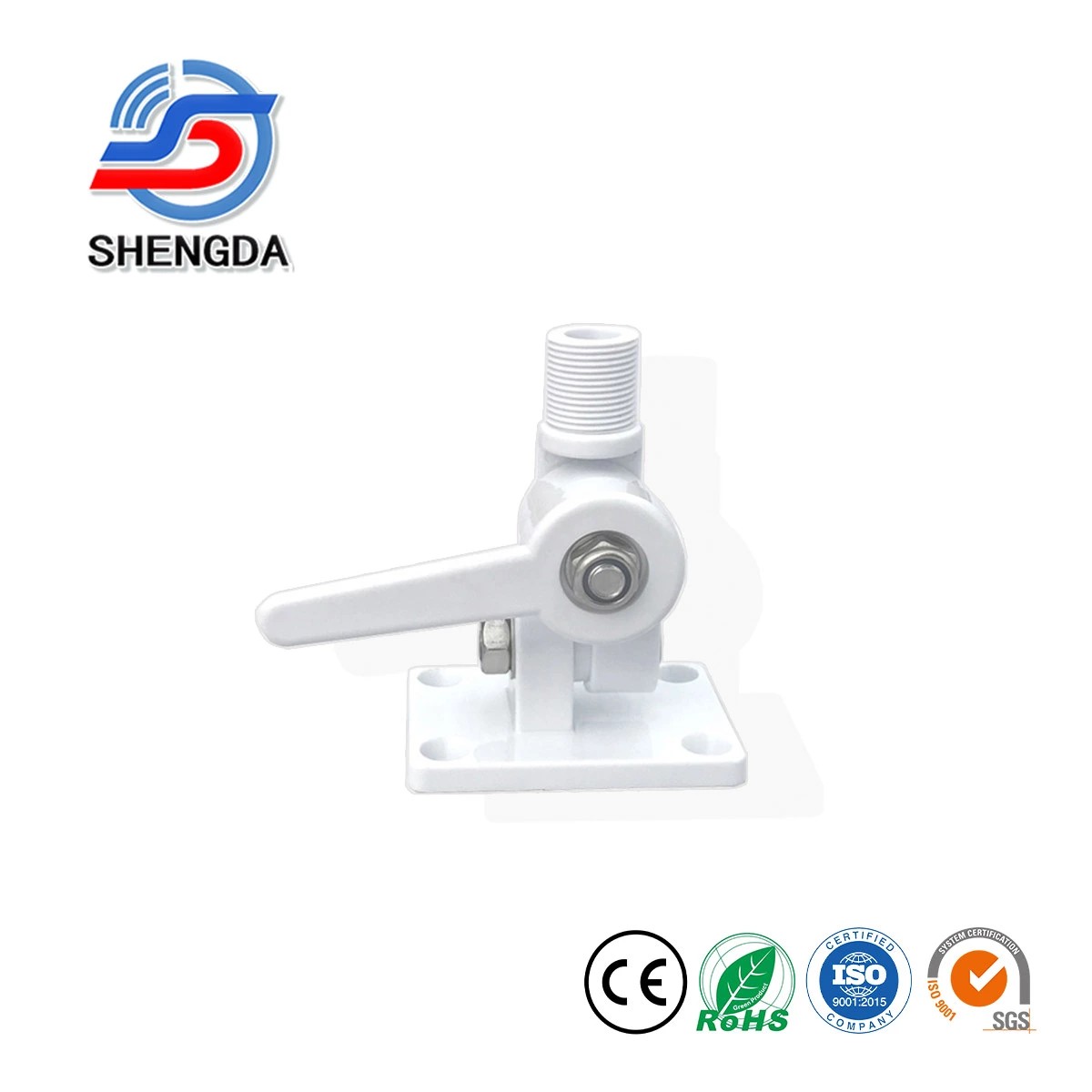
Mounting: Magnetic base or threaded mount
Waterproof rating: IP67 or higher
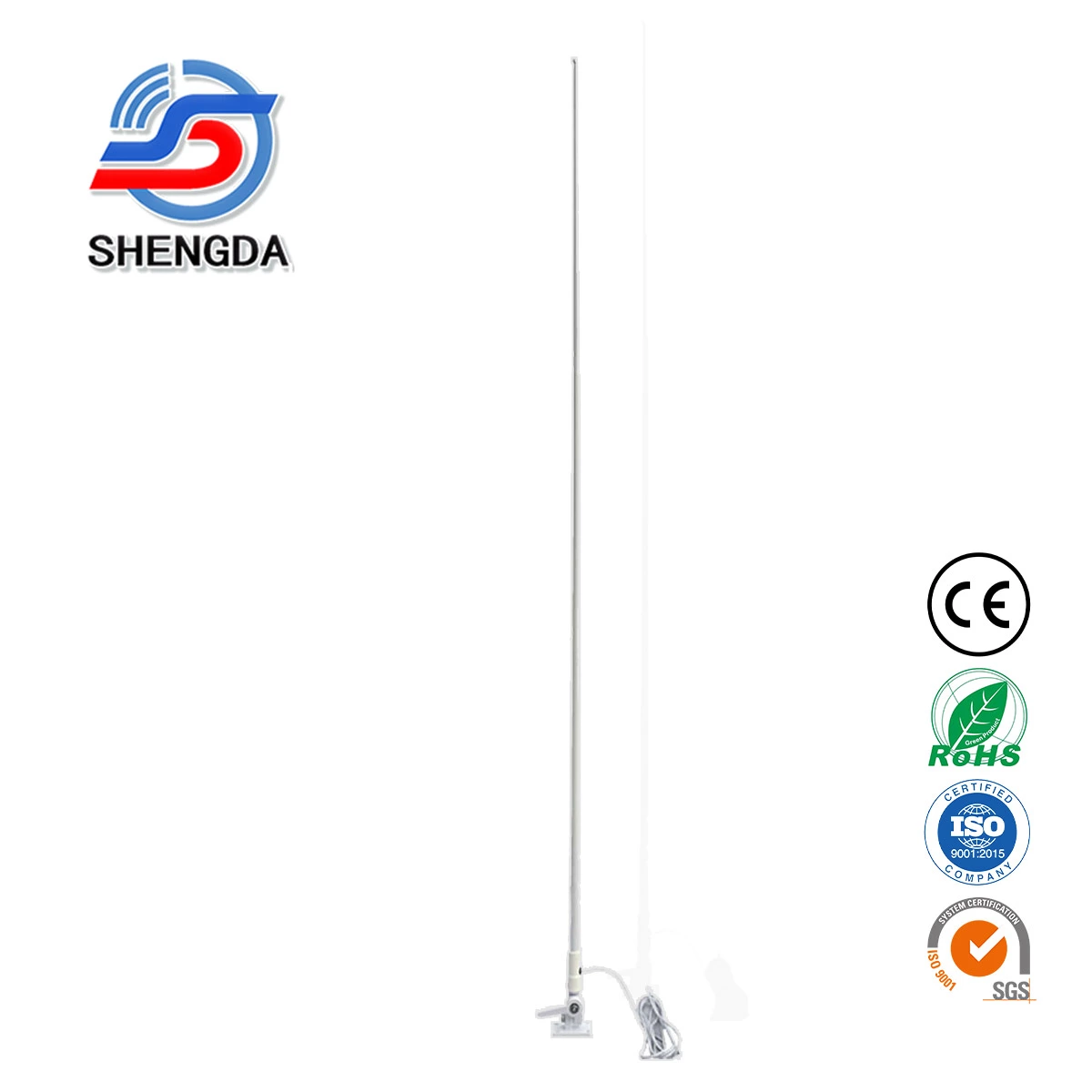
Cable: 3–5 meters low-loss coaxial cable
Vehicle antennas must resist:
Wind pressure
Vibration
UV exposure
Rain and dust
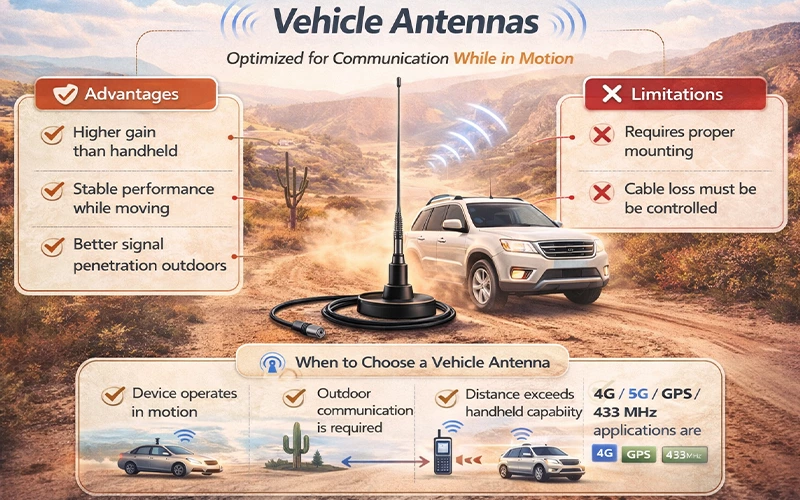
Aantages
✔ Higher gain than handheld
✔ Stable performance while moving
✔ Better signal penetration outdoors
Limitations
❌ Requires proper mounting
❌ Cable loss must be controlled
When to Choose a Vehicle Antenna
Choose this type when:
Device operates in motion
Outdoor communication is required
Distance exceeds handheld capability
4G / 5G / GPS / 433 MHz applications are involved
3) Yagi Antenna
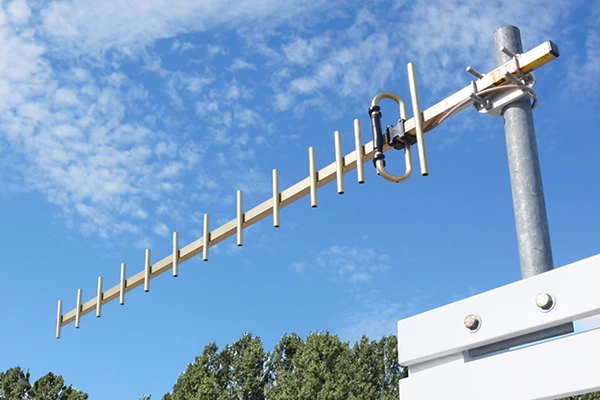
High gain directional
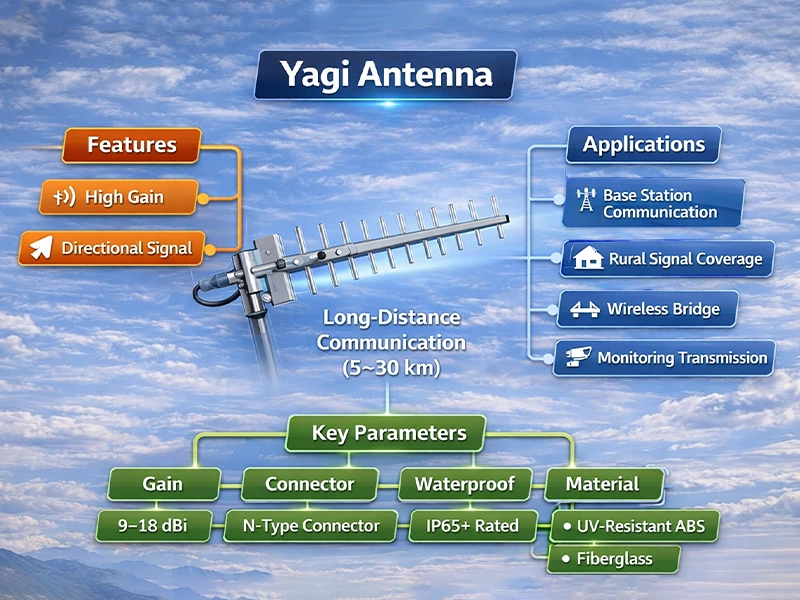
Advantages
✔ Long-distance communication
✔ Strong signal focusing
✔ Ideal for weak-signal environments
Limitations
❌ Requires professional installation
❌ Direction must be aligned properly
When to Choose a Base Station Antenna
Choose this type when:
You need long-range communication
Signal source is far away
Fixed installation is possible
Rural or industrial coverage is required
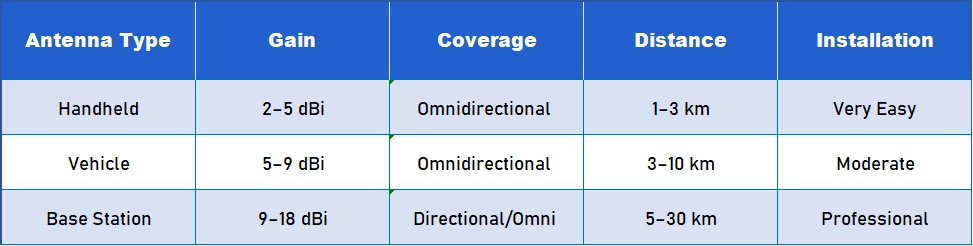
Technical Parameter Comparison
How to Choose the Right Antenna (3-Step Method)
Step 1 – Define the Environment
Indoor? Outdoor? Moving? Fixed?
Step 2 – Confirm the Frequency Band
433 MHz / 868 MHz → Long penetration
4G / LTE → Mid-band coverage
5G high band → Higher speed, shorter range
Step 3 – Calculate Required Coverage Distance
Higher distance generally requires:
Higher gain
Directional antenna
Lower cable loss
Common Mistakes to Avoid
❌ Choosing high gain without considering directionality
❌ Using long low-quality coaxial cables
❌ Frequency mismatch
❌ Ignoring installation height
Final Recommendation
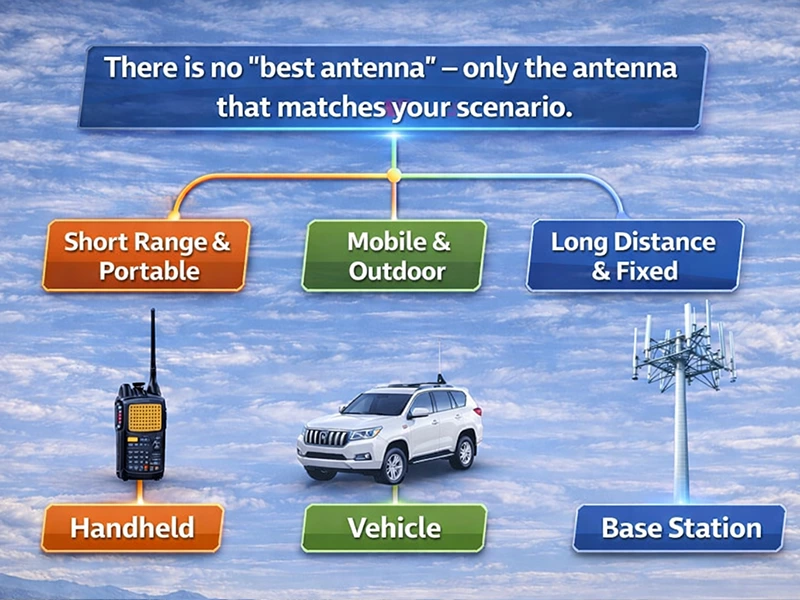
If you're unsure which antenna suits your project, it’s always recommended to consult a technical supplier who can evaluate:
Frequency
Distance
Installation environment
Interference conditions