If you own a precious electronic device over 20 years old, consider removing its capacitors in advance.
Electrolytic capacitors are the primary source of electronic circuit damage due to component failure. Over time, nearly all electrolytic capacitors will malfunction—this may manifest as a loud, smoke-accompanied pop when powered on, with the capacitor even bursting open outright. Alternatively, such failures can occur silently: they leak electrolyte across the PC board, damaging the circuit (or causing trace shorts) without making a sound. A clear sign of an impending capacitor failure is a bulge on the top of the capacitor can; another indicator is a small patch of dried transparent fluid at its base on the circuit board.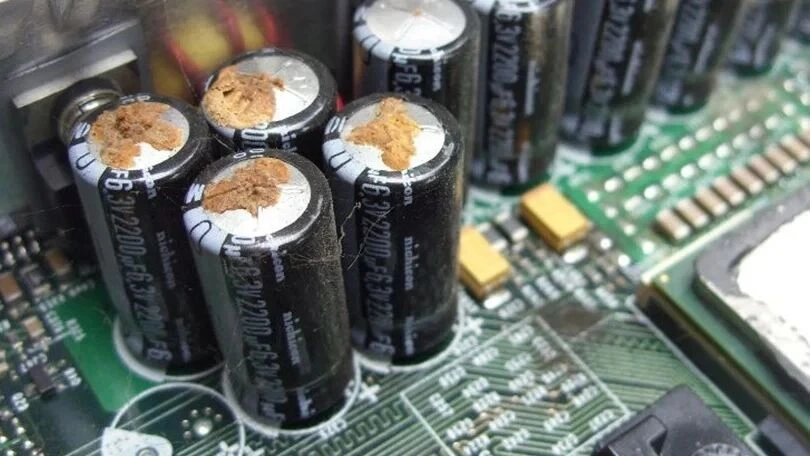
If you own a precious electronic device over 20 years old and hope to use it again someday, consider removing its capacitors in advance—or replacing them with new ones as soon as possible—to prevent them from leaking and causing irreversible damage to the surrounding circuits.
Acid cannot corrode wires. It may only erode metal and break connections at critical points; the acid, having dissolved the metal, can eventually form a conductive sludge.
Many times, you can barely notice they are swelling, or they may not show any real signs of damage.
A major cause of failure in new electronic products is that residual solder flux was never thoroughly cleaned. This flux absorbs moisture and causes various issues as its conductivity increases. This problem is actually exclusive to cheap, low-quality products.
This has been a major issue plaguing many computer motherboards in recent years. Just two weeks ago, we had to replace a computer motherboard. In fact, we experienced a surge in motherboard failures because a manufacturer purchased counterfeit products! We have a stock of brand-new, high-quality capacitors and a technician who knows how to replace them without damaging the motherboard. The first photo was taken earlier this month, and the last two date back several years. You can see bulging on several of the motherboards, and one has already started showing signs of leakage.
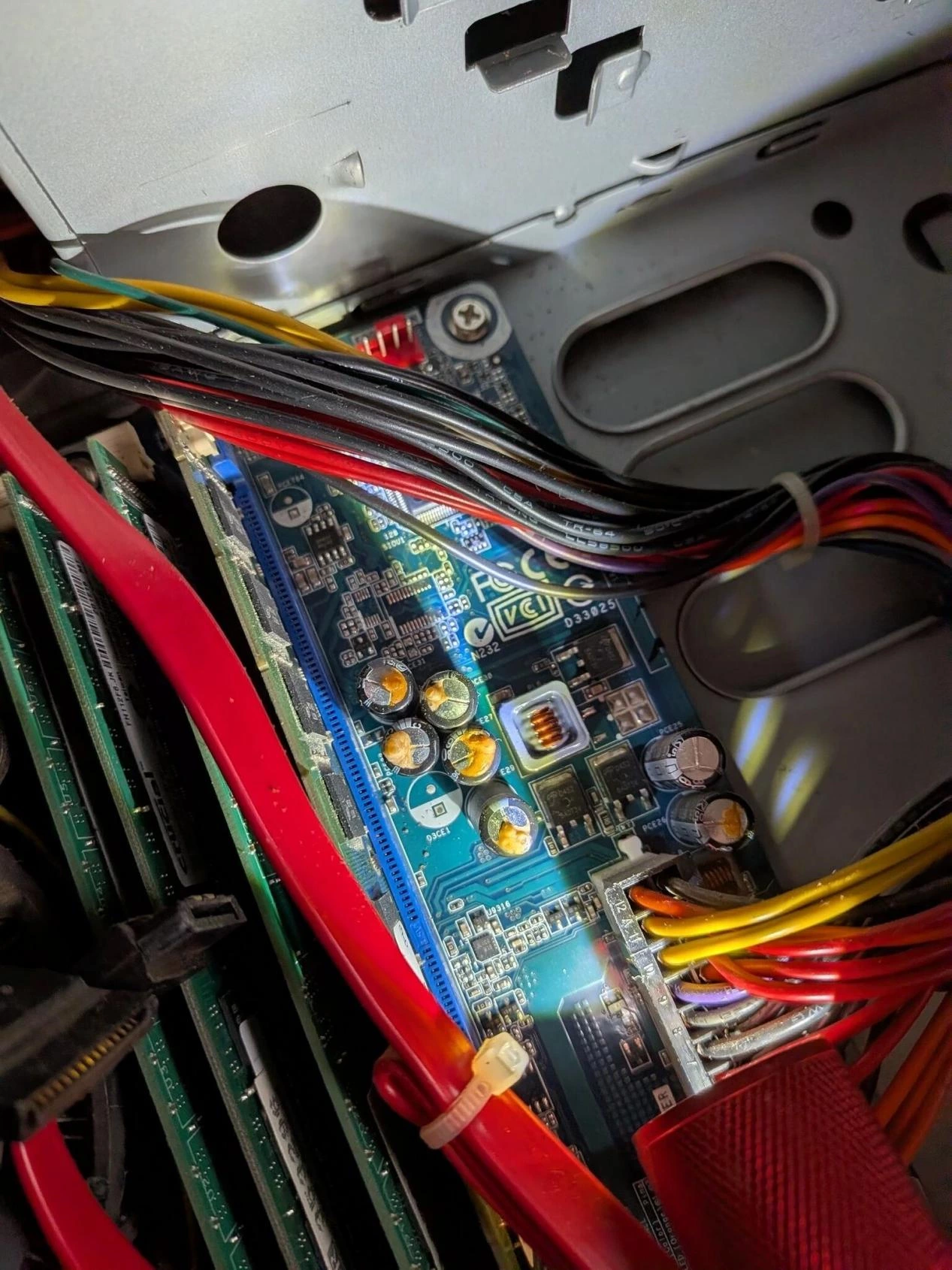
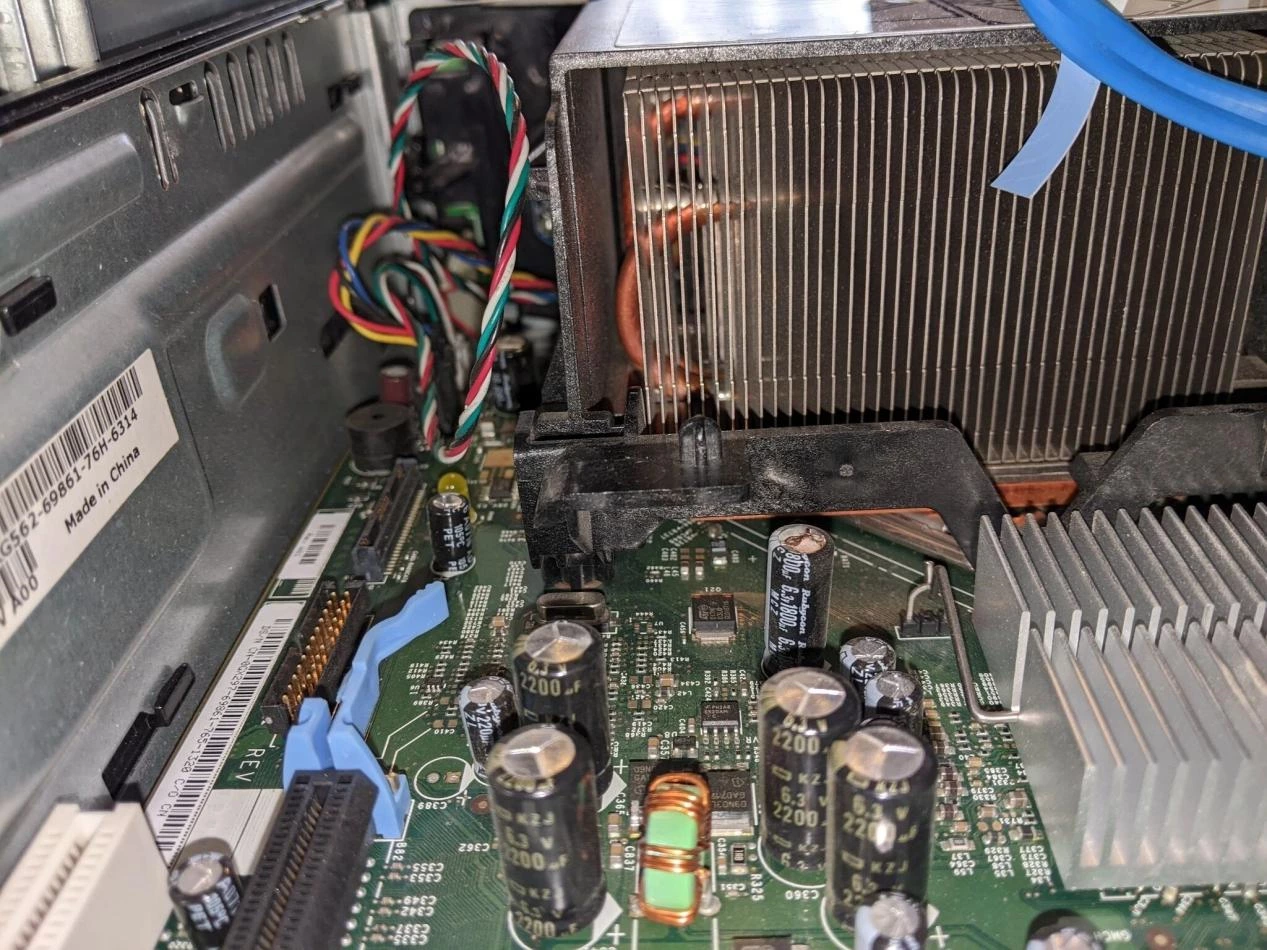
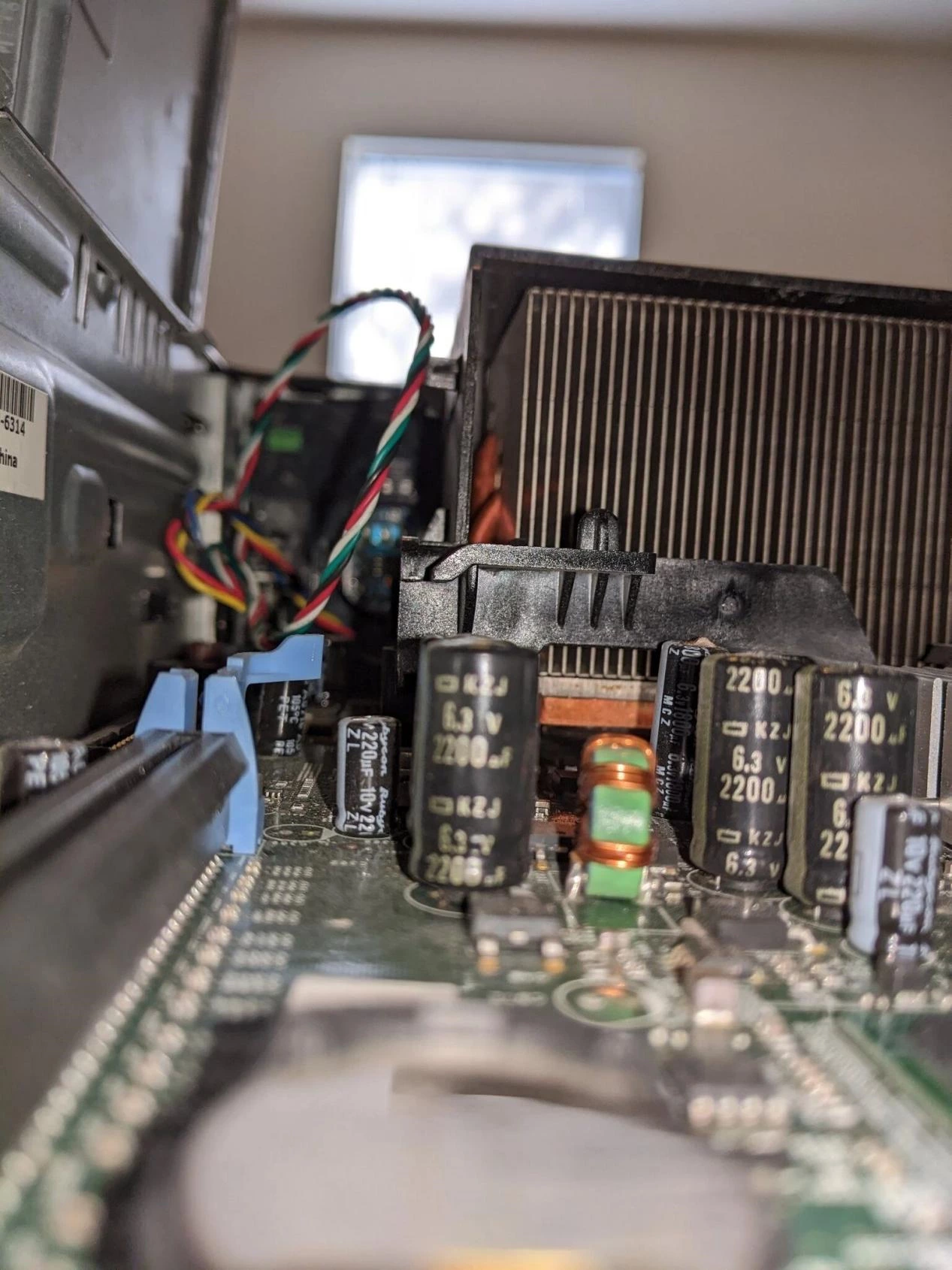
Replacing them is not a simple process. Why do paper-in-oil capacitors for guitars cost as much as jewelry? A pair for a Les Paul guitar costs $30. Even the orange capacitors are only $12. I’ve personally witnessed a capacitor explode, but that was elsewhere—not in a guitar.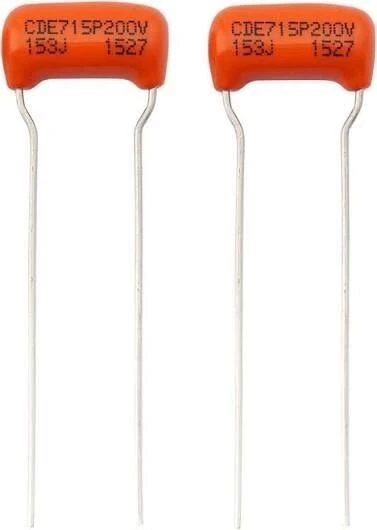
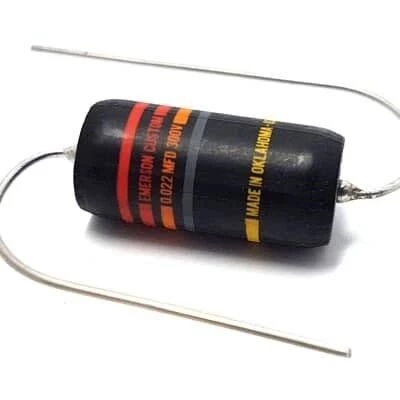
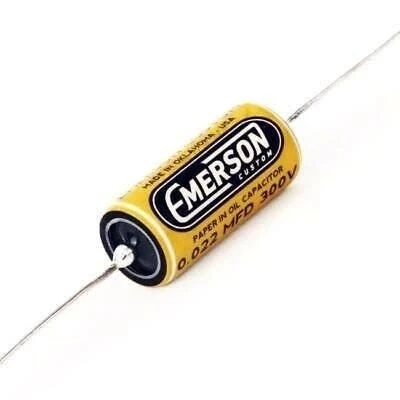 I think the only reason paper-in-oil capacitors still exist is entirely because of guitarists. Adding scarcity to an already crazy vintage gear boom, their prices almost make perfect sense (or at least predictable).
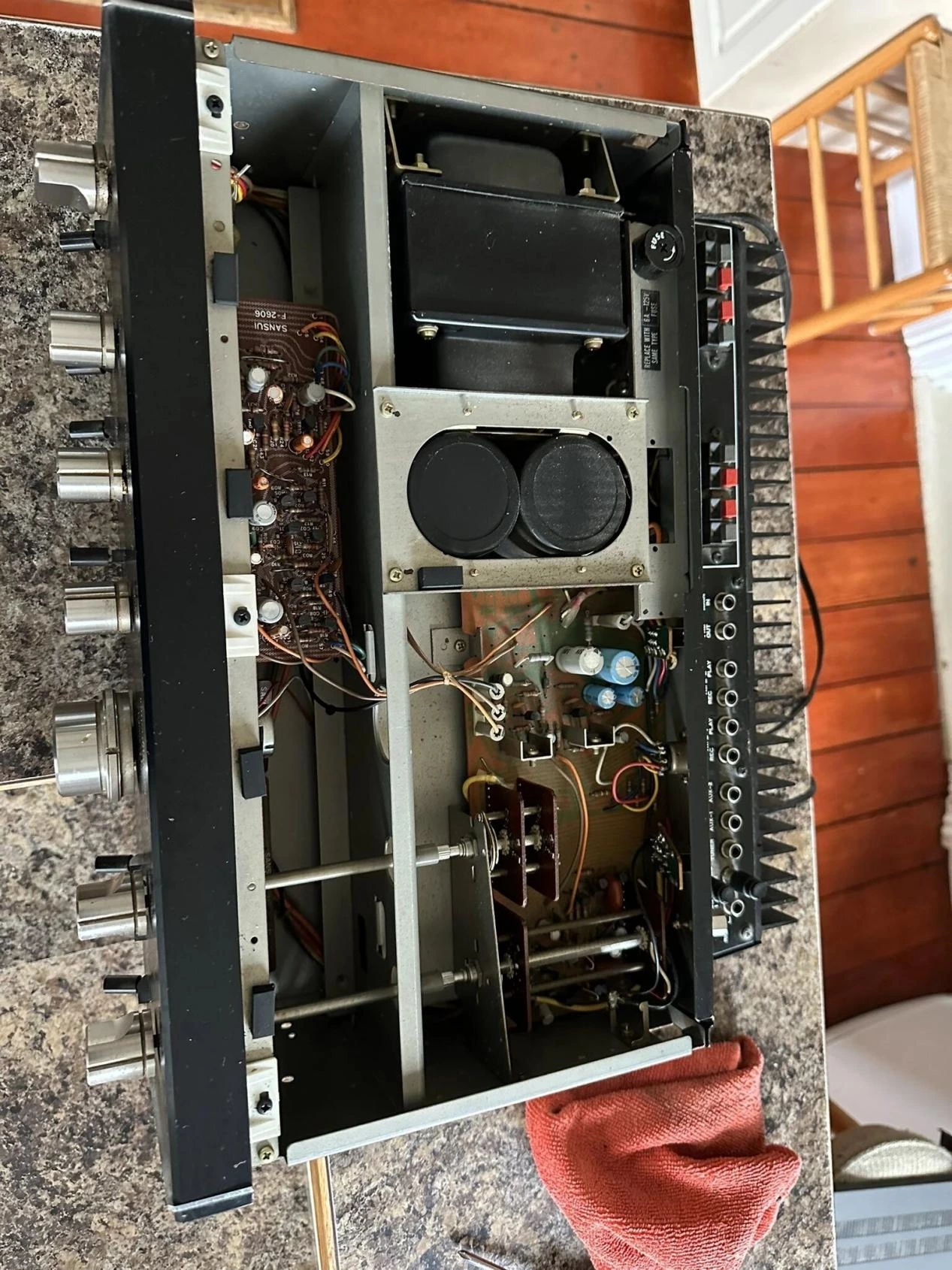
The original 1976 Sansui capacitors are in perfect condition and operating as expected. I know this because this amplifier sounds absolutely fantastic—outperforming many newer amplifiers.